EN
EN
समाचार
पीसी हॉलो शीट्स: हल्की वजन वाली ऊर्जा-बचत भवन सामग्री जो बाजार का नेतृत्व कर रही है, बहु-क्षेत्रीय नवाचार के माध्यम से औद्योगिक उन्नयन को सशक्त बनाती है
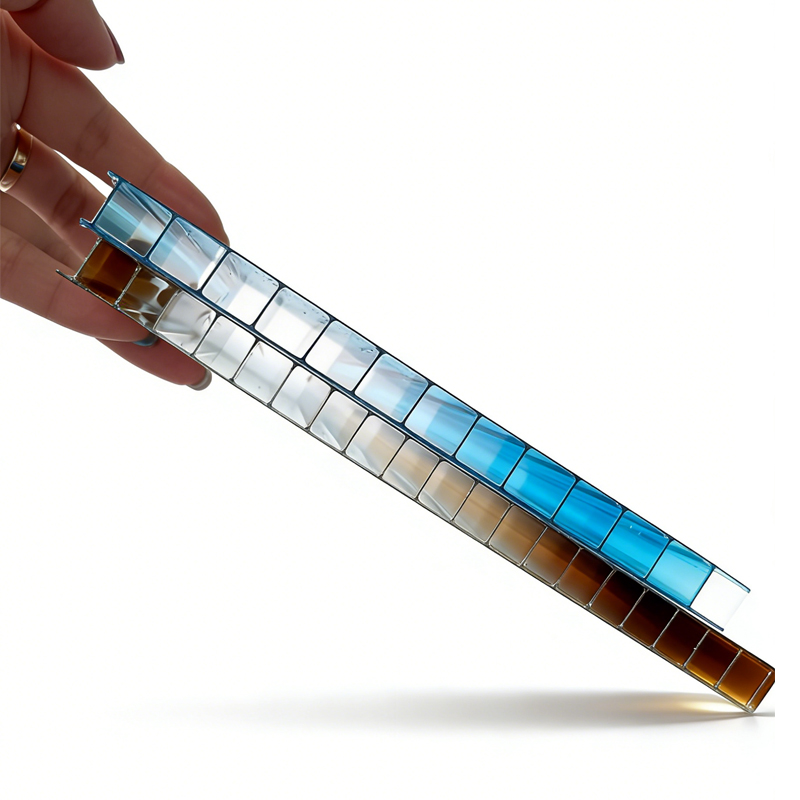
हाल के वर्षों में, हरित और कम कार्बन वाली भवन सामग्री को व्यापक लोकप्रियता प्राप्त हुई है। प्रकाश संचरण, ऊष्मा रोधन, धक्का प्रतिरोध, हल्की संरचना और पर्यावरण-अनुकूलता जैसी विशेषताओं के साथ, पीसी खोखली शीट्स (पॉलीकार्बोनेट खोखली शीट्स) वास्तुकला, कृषि, उद्योग, नवीन ऊर्जा और अन्य क्षेत्रों में एक प्रमुख विकल्प बन गई हैं। बाजार में लगातार बढ़ती लोकप्रियता और औद्योगिक पैमाने के विस्तार के साथ, पीसी खोखली शीट्स नए प्लास्टिक भवन सामग्री क्षेत्र में एक मुख्य वृद्धि श्रेणी के रूप में उभरी हैं। मध्यवर्ती छत्ते की आकृति वाली खोखली संरचना के साथ बहु-परत सह-उत्प्रेषण प्रक्रिया द्वारा निर्मित, पीसी खोखली शीट्स पारंपरिक कांच और एक्रिलिक शीट्स की प्रदर्शन की कमियों को दूर करती हैं और निर्माण में ऊर्जा संरक्षण, हल्के डिज़ाइन और उच्च सुरक्षा की आधुनिक विकास आवश्यकताओं के लिए पूर्णतः अनुकूल होती हैं, जिससे इन्हें व्यापक बाजार के अवसर प्राप्त हुए हैं।
पीसी खोखली शीट्स के पास मुख्य प्रदर्शन में अप्रतिस्थाप्य समग्र लाभ हैं। वे उच्च-गुणवत्ता वाले उत्पादों के लिए 80%-89% की उत्कृष्ट प्रकाश पारगम्यता प्रदान करती हैं, जिससे सामान्य कांच के करीब पारदर्शी प्रभाव प्राप्त होता है, जबकि कांच के सामग्री के अत्यधिक भार और भंगुरता से बचा जाता है। अत्यंत हल्की होने के कारण, समान मोटाई के कांच की तुलना में इन शीट्स का वजन केवल एक-पंद्रहवां हिस्सा होता है, जिससे भवन संरचनाओं पर भार काफी कम हो जाता है और परिवहन तथा स्थापना की लागत में कमी आती है, जिससे निर्माण दक्षता में काफी सुधार होता है। अद्वितीय षट्कोणीय (हनीकॉम्ब) खोखली संरचना ऊष्मा और ठंड के संचरण को प्रभावी ढंग से अवरुद्ध करके उत्कृष्ट ऊष्मीय विलगन प्रदान करती है। व्यावहारिक आँकड़ों से पता चलता है कि पीसी खोखली शीट्स से निर्मित ग्रीनहाउसों में सर्दियों में आंतरिक तापमान 3-5℃ अधिक बना रहता है और कुल ऊर्जा खपत में 20% की कमी आती है। जब इन शीट्स का उपयोग कारखानों की दिनप्रकाश छतों में किया जाता है, तो प्रकाश ऊर्जा की खपत 40% कम हो जाती है, जिससे उल्लेखनीय ऊर्जा बचत के लाभ प्राप्त होते हैं।
उत्कृष्ट सुरक्षा प्रदर्शन पीसी खोखली शीट्स की मुख्य प्रतिस्पर्धात्मकता है। इनकी प्रभाव प्रतिरोध क्षमता सामान्य कांच की तुलना में 250 से 300 गुना अधिक है और टेम्पर्ड कांच की तुलना में कई गुना अधिक, जिससे ये ओले के प्रहार, बाहरी टक्कर और हल्के प्रभावों को बिना क्षति के सहन कर सकती हैं। इन शीट्स में उत्कृष्ट मौसम प्रतिरोधकता है, जिसके कारण ये -40℃ से 120℃ तक के चरम तापमानों के तहत भी विकृति या दरार के बिना अपने भौतिक गुणों को स्थिर बनाए रखती हैं। राष्ट्रीय B1 फ्लेम रिटार्डेंट मानक के अनुरूप, ये शीट्स दहन के दौरान स्व-शामित होती हैं और धुआँरहित होती हैं, जिससे सार्वजनिक एवं औद्योगिक भवनों की अग्नि सुरक्षा आवश्यकताओं की पूर्ति होती है। इसके अतिरिक्त, व्यावसायिक एंटी-यूवी कोटिंग से लैस होने के कारण, पीसी खोखली शीट्स का प्रकाश संचरण क्षरण दीर्घकालिक बाहरी जलवायु के अधीन होने पर न्यून होता है, जिसमें दस वर्ष के सेवा चक्र के दौरान प्रकाश क्षति 10% से कम होती है। इन शीट्स में क्षरण, जूनून और पीलापन आने के प्रति प्रतिरोधकता है और ये 10 वर्ष से अधिक समय तक सेवा प्रदान कर सकती हैं।
विविध प्रदर्शन शक्तियों के लाभ उठाते हुए, पॉलीकार्बोनेट हॉलो शीट्स का उपयोग कई उद्योगों में लगातार विस्तारित परिदृश्यों में व्यापक रूप से किया जा रहा है। निर्माण क्षेत्र में, इनका उपयोग बड़े स्थानों की प्राकृतिक प्रकाश छतों, शॉपिंग मॉल के कैनोपीज़, भूमिगत गैरेज प्रवेश द्वारों, गलियारों के आवरण और पर्दे की दीवारों के प्राकृतिक प्रकाश बैंड के रूप में व्यापक रूप से किया जाता है, जो सौंदर्य, प्राकृतिक प्रकाशन और ऊर्जा दक्षता के बीच संतुलन बनाए रखता है। कृषि क्षेत्र में, ये स्मार्ट ग्रीनहाउस और अंकुरण शेड के लिए मुख्य सामग्री के रूप में कार्य करते हैं, जो आधुनिक कृषि में स्थिर-तापमान खेती और ऊर्जा संरक्षण का समर्थन करते हैं। औद्योगिक परिदृश्यों में, ये उपकरण सुरक्षा कवर, कारखाना विभाजन और भंडारण घर के आवरण के लिए आदर्श हैं। इसके अतिरिक्त, विज्ञापन प्रकाश बॉक्स, रेल पारगमन, नई ऊर्जा चार्जिंग पाइल सुरक्षा और डेटा केंद्र ऊष्मा अपव्यय सुरक्षा सहित उभरते क्षेत्रों में इनके अनुप्रयोग में लगातार वृद्धि हो रही है। उद्योग के आँकड़ों के अनुसार, पॉलीकार्बोनेट हॉलो शीट्स के गैर-निर्माण अनुप्रयोगों में तीव्र वृद्धि हुई है, जो बाज़ार वृद्धि के लिए एक नया प्रेरक बल बन गए हैं।
राष्ट्रीय नए सामग्री विकास योजनाओं और द्वैध-कार्बन नीतियों के प्रभाव से प्रेरित, पॉलीकार्बोनेट (PC) खोखली शीट उद्योग मानकीकृत और उच्च-स्तरीय अपग्रेड की प्रक्रिया से गुजर रहा है। पारंपरिक उत्पादों को क्रमशः कार्यात्मक और बुद्धिमान अपग्रेडेड संस्करणों में बदला जा रहा है। नैनो-कोटिंग और संयुक्त संशोधन प्रौद्योगिकियों को अपनाकर, आधुनिक PC खोखली शीटें सुधारित संक्षारण प्रतिरोध और आघात प्रतिरोध प्राप्त करती हैं। बुद्धिमान सेंसरों से युक्त उच्च-स्तरीय उत्पाद तापमान, आर्द्रता और संरचनात्मक स्थिति की वास्तविक समय निगरानी को सक्षम बनाते हैं। इसके अतिरिक्त, भवन-एकीकृत फोटोवोल्टिक्स (BIPV) और हल्के नए ऊर्जा भवन सामग्री के तेजी से बढ़ते बाजार मांग ने इस उद्योग के लिए नए विकास अवसर पैदा किए हैं। उद्योग विशेषज्ञों का अनुमान है कि PC खोखली शीटें हरित ऊर्जा संरक्षण, अनुकूलन और उच्च प्रदर्शन की ओर लगातार अग्रसर होती रहेंगी, पारंपरिक भवन सामग्रियों का क्रमशः स्थान लेती रहेंगी और स्थायी बाजार क्षमता के साथ हरित नई भवन सामग्री उद्योग में एक मापदंड उत्पाद के रूप में विकसित होंगी।