
 EN
EN
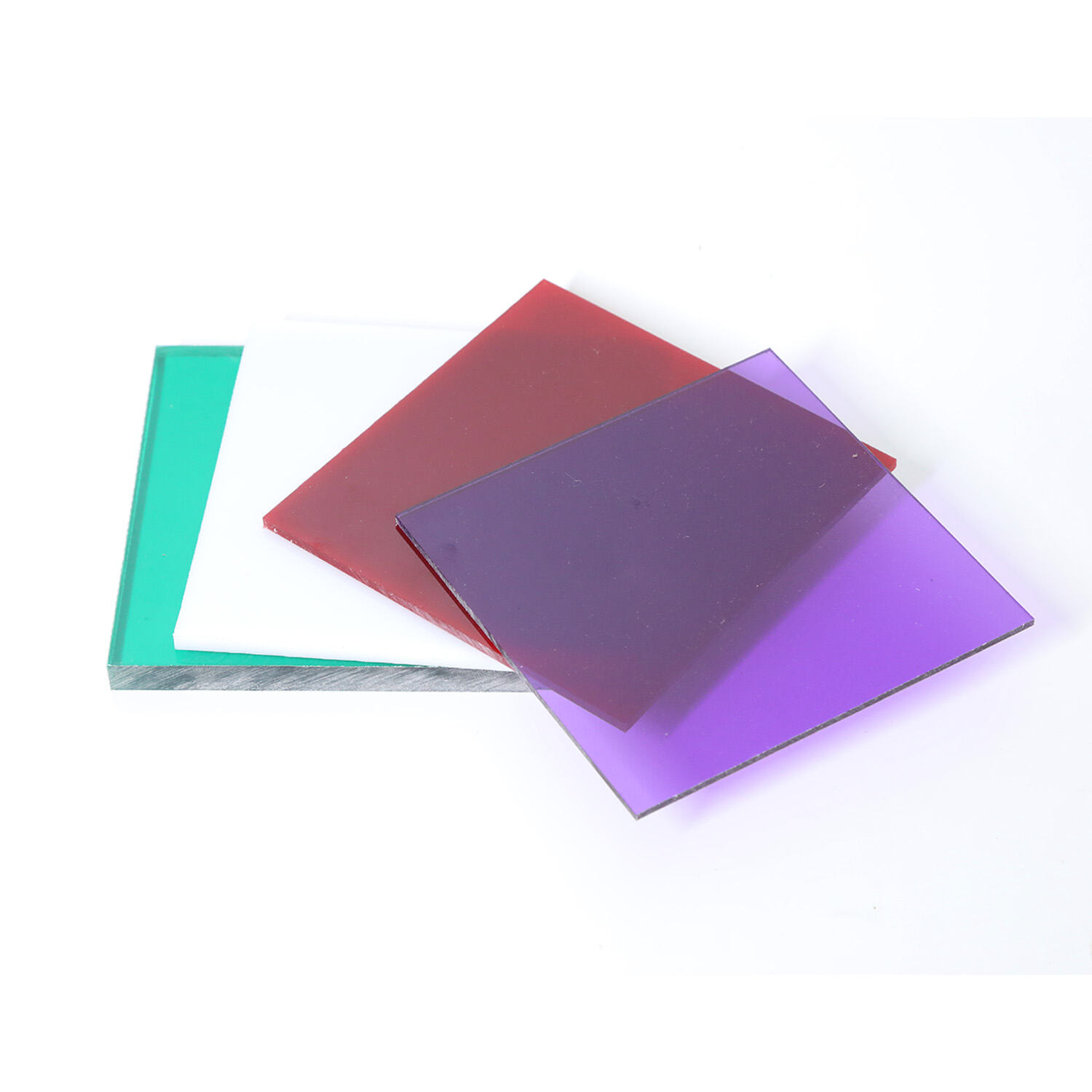
How Frosted Polycarbonate Sheets Achieve Superior Light Diffusion
The Science of Light Scattering in Matte-Finish Polycarbonate Sheets
Frosted polycarbonate sheets work their magic by scattering light thanks to tiny surface features that look like microscopic hills and valleys. These structures spread out the incoming light across many different directions instead of letting it pass straight through as it would with clear panels. The result? That harsh glare from an LED bulb or bright sunlight gets turned into something much softer and more even throughout the space. Polycarbonate material has some real advantages here since it can be shaped pretty easily while still keeping its dimensions stable during production. This means manufacturers can adjust those surface patterns to get just the right amount of light diffusion they want for each application. The whole system works pretty well too, transmitting around half to three quarters of available light without creating annoying glare spots or areas where the light seems to come from only one direction.
Visual Comfort Benefits: Reducing Glare and Hotspots in Daylit Spaces
Frosted polycarbonate sheets really boost visual comfort when there's lots of sunlight around. The Building Comfort Institute reported last year that these sheets cut down glare by almost 90% compared to regular clear glass. For office buildings with big windows, this means fewer annoying reflections on computer screens and less strain on employees' eyes throughout the day. What makes them special is how they handle those pesky solar hotspots. Unlike standard transparent materials that concentrate sunlight into bright spots, frosted polycarbonate spreads out the heat more evenly across surfaces, so temperatures stay pretty much the same everywhere. That's why many architects specify these materials for atriums and skylights nowadays. They want plenty of natural light coming in but don't want people sitting under those areas to suffer from uncomfortable heat zones. Plus, most products come with UV protection coatings that block nearly all harmful rays (around 98.9%) which keeps the material looking good and performing well for about ten years or so in commercial settings before needing replacement.
Privacy Solutions with Frosted Polycarbonate Sheets in Architectural Glazing
Interior Applications: Office Partitions, Bathroom Screens, and Retail Fit-Outs
Frosted polycarbonate sheets offer good privacy without blocking out natural light, making them great for indoor spaces. When used in office partitions, these sheets create semi-transparent walls that stop people from seeing straight through but still let plenty of light pass through, which helps keep workplaces bright and productive. Bathrooms benefit too since the material stands up well against moisture, mildew, and all sorts of cleaners. Stores often install them because they're tough stuff - about 200 times stronger than regular glass actually - so they work well for things like changing room separators and display cases where lots of people will be bumping around. Plus, they handle temperature changes pretty well over seasons, so partitions made from them don't tend to warp or develop annoying gaps between panels.
Design Flexibility: Balancing Daylight Transmission and Visual Obscuration
When architects need to balance light and privacy, they work with different levels of frosted glass that go from slightly etched all the way to almost completely opaque. The material lets between 40 and 85 percent of natural light through while still keeping faces and objects blurry when viewed from about arm's length away. This meets most office privacy requirements without making spaces feel dark. What makes these panels stand out compared to regular vinyl films? The frosting isn't just stuck on top but actually built right into the glass during manufacturing. That means no peeling off over time and the same soft diffusion effect even if someone accidentally scrapes the surface. With today's computer controlled cutting machines, designers can create all sorts of shapes including those curvy wall sections and flowing display structures without losing that important privacy factor. And because these panels come with special coatings that stop nearly all harmful UV rays, buildings stay bright and clear looking for years and years without fading or yellowing.
Why Frosted Polycarbonate Sheets Outperform Alternatives for Diffused Lighting
Polycarbonate Sheets vs. Frosted Glass and Acrylic: Impact Resistance, Weight, and Diffusion Efficiency
When comparing materials, frosted polycarbonate really stands out against both frosted glass and acrylic across several important performance aspects. Glass tends to break easily even with small impacts, while acrylic often develops cracks when subjected to moderate forces. Polycarbonate on the other hand can handle pretty severe impacts without breaking at all, which makes it great choice for areas where safety matters most or places that get a lot of foot traffic. Weighing about half what glass does, polycarbonate also keeps the same lightweight quality as acrylic but provides around thirty times better protection against impacts. The way it diffuses light is another plus. Its special micro-structured surface actually gets rid of those annoying LED hotspots and reduces glare much better than other options available today. This results in nice even lighting throughout spaces with light transmission rates between eighty five to ninety percent. And unlike acrylic, polycarbonate stays clear and doesn't yellow or degrade after years of being exposed to sunlight because it comes with built-in UV protection right from the factory.
Long-Term Performance: UV Stability and Durability of Frosted Polycarbonate Sheets
The frosted polycarbonate sheets last much longer because they have these special UV barriers built right in during manufacturing. These barriers stop almost all harmful rays from getting through, so the material doesn't turn yellow or become brittle over time. Tests done according to ISO 4892-2 standards show these sheets keep transmitting around 90% of light even after sitting outside under sun for ten whole years. That's way better than regular ones without this protection, which tend to lose about a third of their clarity in just half that time frame. Because of how stable they are when exposed to sunlight, manufacturers can offer warranty periods going beyond ten years on things like skylights and building facades. What's really nice is that the light still spreads evenly across surfaces and maintains good visibility without glare issues. The material stands up well to temperature changes and other environmental factors too, meaning buildings stay looking great for many years without needing repairs or replacements. This durability actually cuts down on overall expenses by roughly 40% when compared with traditional glass options for similar applications.
FAQs About Frosted Polycarbonate Sheets
What is the advantage of frosted polycarbonate over frosted glass?
Frosted polycarbonate sheets offer superior impact resistance, are lightweight, and provide better diffusion efficiency, making them safer and more effective for high foot traffic areas than frosted glass.
How does frosted polycarbonate sheets improve visual comfort?
They reduce glare by almost 90% and evenly distribute sunlight, thereby minimizing hotspots and maintaining uniform temperatures in spaces with direct sunlight exposure.
Can frosted polycarbonate sheets be used for office privacy?
Yes, they are ideal for creating semi-transparent partitions in offices that block direct views while allowing natural light to penetrate.
Table of Contents
- How Frosted Polycarbonate Sheets Achieve Superior Light Diffusion
- Privacy Solutions with Frosted Polycarbonate Sheets in Architectural Glazing
- Why Frosted Polycarbonate Sheets Outperform Alternatives for Diffused Lighting
- Long-Term Performance: UV Stability and Durability of Frosted Polycarbonate Sheets
- FAQs About Frosted Polycarbonate Sheets