
 EN
EN
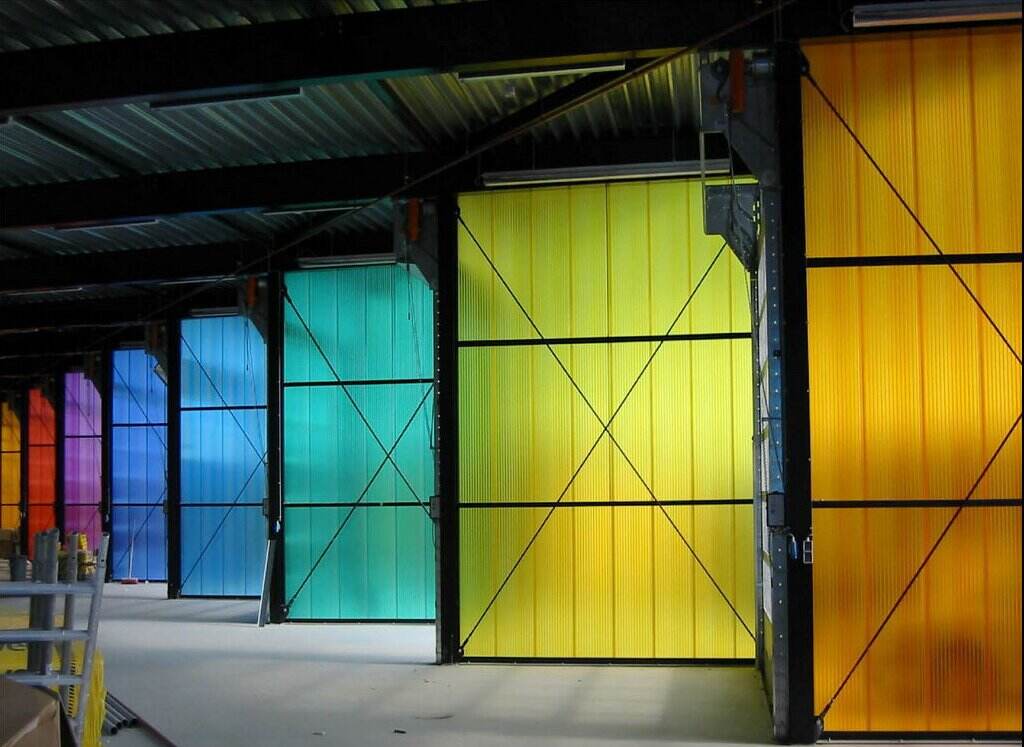
Thermal Insulation Fundamentals: How Polycarbonate and Metal Panels Differ
Thermal Conductivity and Material Physics
How well heat moves through materials depends on their thermal conductivity. Take metals for instance - steel conducts heat at about 50 watts per meter kelvin, while aluminum does so much faster at around 237 W/mK because those free electrons just zip around everywhere. That's why metals aren't good insulators at all. On the flip side, solid polycarbonate only allows about 0.22 W/mK of heat transfer thanks to its molecular structure where the chains are packed pretty tight together, which actually blocks energy from moving through easily. This basic difference at the atomic level is what makes polycarbonate such a great insulator even without any extra coatings or layers. Meanwhile, if someone wants to use plain metal sheets as insulation, they'll need to make some serious changes to stop all that heat escaping.
Multi-Wall Polycarbonate: Leveraging Air Gaps for Enhanced R-Value
Polycarbonate panels with multiple walls work great for insulation because they have those sealed air spaces between the layers. Air doesn't conduct heat very well at all (around 0.026 W/mK if we get technical), so these little pockets become pretty good at stopping heat transfer. What does this mean? Higher R-values, which basically tells us how well something resists heat flow. Triple wall versions can hit around R-3.5 per inch thick, which beats a lot of regular building materials when it comes to keeping temperatures stable. Architects love these panels for roofs and building exteriors since they provide decent insulation without adding much weight to structures. The lightweight nature combined with thermal performance makes them popular choice for commercial buildings looking to cut energy costs while maintaining comfort levels inside.
Metal Panels: From Conductive Sheets to Insulated Metal Panels (IMPs)
Plain metal sheets don't insulate much at all and tend to let heat escape through them pretty easily. That's where Insulated Metal Panels come in handy. These panels have a solid foam layer, usually made from stuff like polyurethane or polyisocyanurate, trapped between two metal layers. What makes these work so well is how the foam cells are packed together tightly, which stops heat from moving around too much inside the panel. Most of them can give insulation values around R-8 for every inch thick. Sure, IMPs stand up really well against forces, won't catch fire easily, and keep water out pretty good. But there's a catch they're completely solid, not see through at all, and depend totally on that middle foam layer for their insulation properties. Compare this to something like translucent polycarbonate panels that actually let light through while still providing decent insulation. With IMPs, if someone wants similar benefits to those clear panels, they might need extra support structures or thicker panels altogether to get both the insulation and the lighting advantages.
Climate-Responsive Performance: Polycarbonate vs. Metal in Real Conditions
Summer: Solar Heat Gain, UV Stability, and Surface Temperature Control with Polycarbonate
Polycarbonate really stands out in those super hot climates because it combines good thermal properties with great light transmission. The multi wall design cuts down on solar heat gain by around 30% when compared to regular metal without insulation. Plus, the special UV stabilized coatings stop more than 99% of damaging UV rays from getting through, which means the material won't turn yellow or become brittle over time. Surface temps are another big plus point. When sitting in direct sunlight, plain old metal surfaces can get scorching hot, sometimes reaching over 150 degrees Fahrenheit (that's about 66 Celsius). But polycarbonate stays much cooler, usually staying under 120 F (around 49 C). This makes a real difference for buildings needing less air conditioning and people staying more comfortable inside. We see this benefit most clearly in places like skylights where traditional materials would just melt under the sun, canopies over walkways, and even on greenhouse roofs where maintaining proper temperatures is so important for plant growth.
Winter: Condensation Risk, Thermal Bridging, and Heat Retention Efficiency
Cold weather really gives metal panels problems since they conduct heat so well, creating those annoying thermal bridges right where fasteners meet, along seams, and at framing connections. What happens next? Those cold spots inside actually bring down the temperature of surfaces below what's called the dew point, which means we get condensation forming and eventually moisture damage setting in. Now polycarbonate does things differently. With a much lower conductivity rate around 0.22 W/mK plus those built-in insulating air chambers, it keeps interior temperatures pretty steady even when temps outside plunge to minus 40 degrees Fahrenheit or Celsius. Plus there's that hydrophobic coating on top that makes ice just not want to stick around, so buildings perform reliably through winter months without needing extra vapor barriers or complicated construction details to fix what basic materials can't handle alone.
Energy Efficiency and Building Envelope Integration
Daylighting Benefits and Net Energy Balance of Translucent Polycarbonate
Polycarbonate panels offer something special for buildings needing both good light and proper insulation. These two things usually don't go together well in construction, but translucent polycarbonate somehow manages to do both. The material lets through around 80 to 90 percent of visible light, which means spaces inside get plenty of natural illumination during the day. Studies show this can cut down on electricity usage for lighting by nearly a third when compared to traditional metal roofs that block all light. What's really neat is how the material spreads out the light instead of creating harsh spots or blinding glare, while still keeping excessive heat from coming in from the sun. During colder months, the air pockets between layers act like little insulators, helping keep buildings warmer without cranking up the heater so much. Pair these panels with smart climate control systems and they actually create an energy surplus situation. According to research from the US Department of Energy, buildings that incorporate effective daylighting techniques with materials that have both high light transmission and good thermal resistance can slash overall energy consumption anywhere from 20 to 30 percent.
FAQ Section
What is the thermal conductivity of metal panels?
Metal panels, such as aluminum and steel, have high thermal conductivity, meaning they conduct heat well. Steel conducts heat at about 50 watts per meter kelvin, while aluminum does so faster at around 237 W/mK.
What are the advantages of multi-wall polycarbonate panels?
Multi-wall polycarbonate panels have sealed air spaces that provide good insulation and higher R-values. They are lightweight and offer decent insulation without adding excessive weight, making them popular for commercial buildings.
How do Insulated Metal Panels (IMPs) work?
IMPs consist of a solid foam layer trapped between two metal sheets, offering good insulation properties. They provide insulation values around R-8 per inch thick and are effective against forces, fire, and water infiltration.
How do polycarbonate panels perform in hot climates?
Polycarbonate panels reduce solar heat gain by around 30% compared to regular metal panels and have UV stabilized coatings that prevent material degradation. They stay cooler than metal surfaces, aiding in reducing air conditioning needs.