
 EN
EN
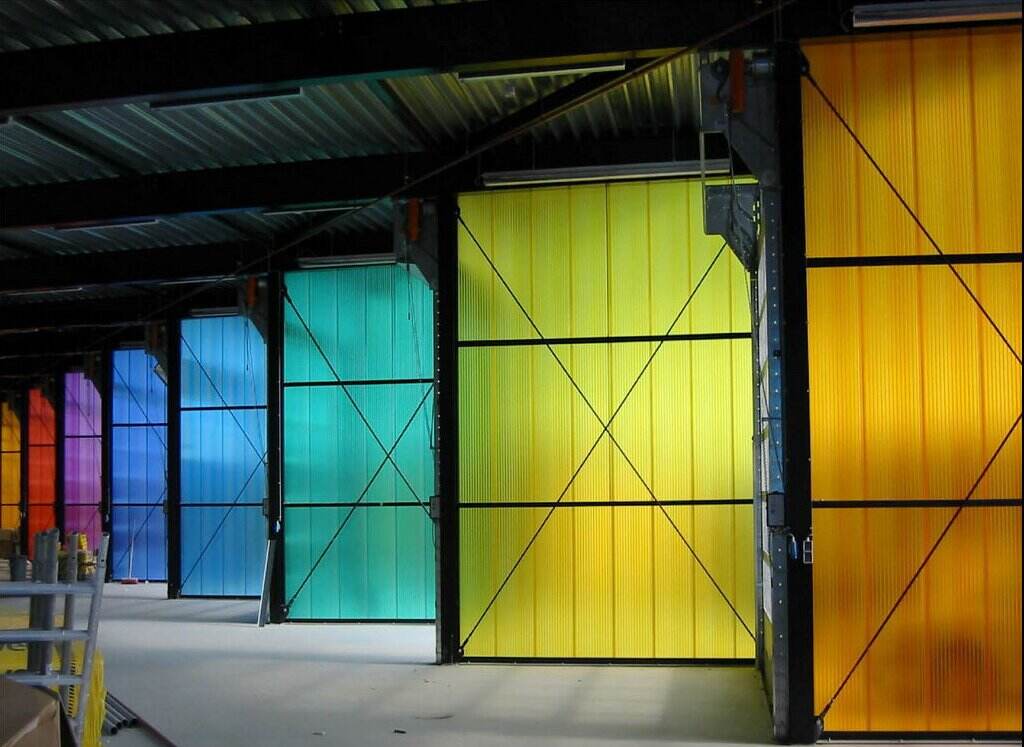
Impact Resistance and Safety: Polycarbonate's Clear Advantage
ASTM D256 and ISO 180 Test Data: Why Polycarbonate Outperforms FRP by 3–5×
Standard impact testing across the industry backs up what many manufacturers already know about polycarbonate's superior safety performance. When we look at ASTM D256 and ISO 180 test results, they repeatedly demonstrate that polycarbonate can absorb anywhere from three to five times more impact energy compared to Fiber Reinforced Plastic (FRP) before actually breaking. This significant difference comes down to how the material is built at a molecular level. FRP tends to be quite brittle, often failing suddenly when stressed, while polycarbonate has those flexible polymer chains that spread out the force through what engineers call ductile deformation instead of just cracking apart. For applications where people's safety matters most or systems need to stay intact during accidents, this kind of impact resistance makes all the difference in the world.
| Material | Notched Impact Strength (kJ/m²) | Failure Mode |
|---|---|---|
| Polycarbonate | 75–85 | Ductile deformation |
| FRP | 15–25 | Brittle fracture |
| Data from standardized industry impact tests comparing shock absorption |
Real-World Safety: Hail, Foot Traffic, and Fall Protection in Commercial Installations
Polycarbonate's lab-proven toughness translates reliably into field performance across high-risk commercial environments. In warehouses, stadiums, and industrial facilities, it withstands:
- Hail impacts: Resists penetration from 2" ice balls at 90 mph—meeting NOAA's severe storm criteria
- Foot traffic: Supports maintenance loads exceeding 250 PSI without surface cracking
- Fall hazards: Qualifies as non-fragile roofing per the UK Health and Safety Executive's ACR[M]001 standard, safely arresting falls without shattering
This reliability drives adoption in airports and manufacturing plants—sites where accidental impacts occur daily. Unlike FRP, which accumulates microcracks under repeated stress, polycarbonate retains structural continuity after impact, cutting replacement costs by up to 40% over five years in documented facility case studies.
UV Stability and Longevity: How Polycarbonate Maintains Clarity Over Time
QUV Accelerated Aging (10,000+ hrs): Yellowing, Haze, and Strength Retention Trends
The QUV accelerated aging test simulates around 15 years worth of actual outdoor conditions and shows how well polycarbonate stands up against UV damage. High quality versions keep more than 90 percent of their tensile strength, show very little yellowing (less than a Delta E value of 3), and accumulate only about 2% haze even after spending over 10,000 hours under these harsh conditions. Regular materials without protection start showing noticeable color changes and build up between 30 to 40% haze within just 2,000 hours though. What makes polycarbonate so durable? It comes down to special UV absorbing ingredients mixed into the material during production. These additives work by stopping free radicals before they can break down the polymer structure, which helps maintain clear appearance and strong physical properties. Take multi wall sheets as an example. After all those hours in testing, they still let through more than 88% of available light, making them great for applications like skylights where consistent natural lighting is important throughout building facades.
UV Coating Integrity: Monolithic vs. Co-Extruded Polycarbonate for Decade-Long Service Life
The way UV protection gets applied makes all the difference when it comes to how well materials hold up over time. Traditional monolithic coatings that sit on top of surfaces tend to wear away gradually and often start peeling off within around five to seven years. Things work differently with co-extruded UV layers though. These get fused at a molecular level right during the extrusion process, forming what amounts to a permanent connection with whatever material they're protecting. Lab tests involving repeated salt spray exposure show these co-extruded sheets keep about 99.5 percent of their protective coating intact even after a decade, and there's basically no drop in their ability to block harmful UV rays. What's really nice about this method is manufacturers can adjust the thickness of the UV layer between roughly ten and fifty microns depending on where the product will be used. This means products installed in areas with intense sunlight can last well past twenty years without losing transparency or becoming brittle.
Thermal Performance and Energy Efficiency: Balancing Light and Heat
When it comes to keeping buildings warm or cool, polycarbonate outperforms those old fiberglass reinforced plastic panels hands down. The numbers tell the story too - thermal conductivity is about 30 to 50 percent lower compared to fiberglass composites. Industry data shows this means less work for heating and cooling systems in most climates, cutting energy needs around 25%. What makes polycarbonate really stand out though is how it handles light transmission. Those multi wall designs spread sunlight throughout spaces without creating annoying glare spots or hot areas that waste energy. Some products even come with special coatings that let designers control how much heat gets inside while still letting plenty of natural light in. And unlike simple single layer FRP materials, polycarbonate has these little air pockets between layers that keep insulation performance steady through all seasons. No more worrying about thermal bridges messing up efficiency during winter months or summer heatwaves.
Light Transmission and Functional Design Flexibility
Transmittance (%T) and Diffusion Control: Optimizing Daylight for Greenhouses and Atriums
Regular polycarbonate sheets transmit between 88 and 91 percent of available light, which is actually around 40 percentage points better than what we typically see from FRP panels that only get about 50 to 60 percent through. This kind of light transmission really boosts the PAR levels inside greenhouses, helping crops grow better and more uniformly across different areas. The sheets come with built-in diffusion layers that spread out the light so there aren't those harsh spots that can damage plants, all while keeping things clear enough to see through easily. Tests show these materials have a haze rating of just 0.5 to 2 percent according to ASTM standards, compared to FRP's much cloudier appearance at 15 to 30 percent haze. Because polycarbonate is a thermoplastic material, it bends nicely for installations like barrel vaulted greenhouses, dome shaped skylights, and wavy building facades. These curved designs work well with how the sun moves throughout seasons and can cut down on structural supports needed by as much as a quarter in complicated lighting projects where straight lines just won't do.
Chemical and Environmental Durability: Polycarbonate in Harsh Conditions
Salt Spray (ASTM B117), Acid Exposure, and Industrial Corrosion Resistance
Polycarbonate really stands out in those tough corrosive environments where regular metals and standard composite materials just give up the ghost. According to ASTM B117 salt spray tests, we're talking about very little surface damage even after over 1,000 hours exposure. That makes it a great choice for stuff near coastlines where aluminum or steel parts tend to start rusting away within just a few months. The material holds up against mild acids, alkalis, and pretty much everything else thrown at it in industrial settings. Still need to watch out though for concentrated alkaline solutions since they can eat away at the surface, and strong solvents might actually crack the material under stress. When looking at chemical processing plants or marine installations, polycarbonate keeps its shape and strength without suffering from the peeling issues common with FRP or the nasty galvanic corrosion problems that plague metal frames. Plus, because it doesn't conduct electricity, there's no risk of electrochemical breakdown when installed next to steel or aluminum structures, which means longer lasting performance in all sorts of harsh conditions.
Frequently Asked Questions (FAQs)
What is ductile deformation?
Ductile deformation refers to the ability of a material to undergo significant deformation before breaking, spreading out the force of impact rather than cracking immediately.
How long can polycarbonate retain its UV protection?
Co-extruded polycarbonate sheets can maintain their UV protection integrity for well over 20 years, especially in areas with intense sunlight.
Why is polycarbonate preferred in high-risk environments?
Polycarbonate is preferred because of its impact resistance, durability, and safety qualities, making it ideal for areas prone to accidental impacts such as airports and manufacturing plants.
How does polycarbonate perform under corrosive conditions?
Polycarbonate offers excellent resistance against corrosion caused by salt spray, acids, and other industrial substances, making it suitable for coastal and industrial applications.
Table of Contents
- Impact Resistance and Safety: Polycarbonate's Clear Advantage
- UV Stability and Longevity: How Polycarbonate Maintains Clarity Over Time
- Thermal Performance and Energy Efficiency: Balancing Light and Heat
- Light Transmission and Functional Design Flexibility
- Chemical and Environmental Durability: Polycarbonate in Harsh Conditions
- Frequently Asked Questions (FAQs)