
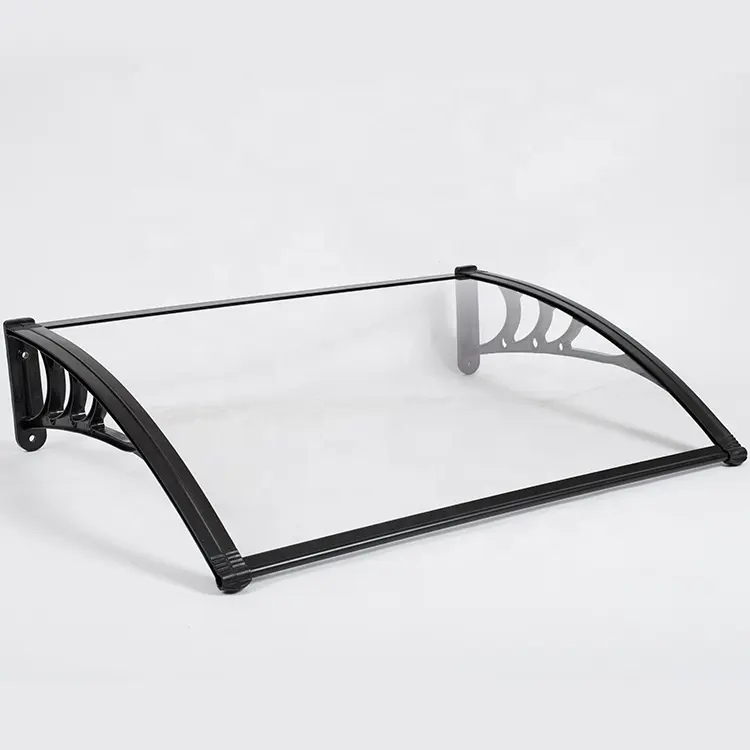
The multiwall polycarbonate roofing systems work because they trap air between layers. These air pockets create thermal barriers that cut down on heat transfer by around half when compared to regular single pane glass. What does this mean? Lower demands on heating and cooling systems for sure. Commercial buildings have seen their cooling energy needs drop anywhere from 15 to 30 percent after switching over. Plus there are those infrared reflective qualities that help keep temperatures inside stable throughout all seasons. Most folks find that these systems typically pay for themselves within about five to seven years. The money saved on ongoing energy costs makes them pretty attractive investment options for building owners looking at long term savings.
The Edge in Amsterdam is often called the greenest office building on the planet, and it makes good use of a special polycarbonate exterior that lets in around 70% natural light while keeping out excess heat from the sun. What this means practically is that workers need far less artificial lighting during the day, cutting electricity usage for lights alone by roughly 80%. Studies show overall energy savings range between 15% to maybe even 30% compared to similar office buildings. Another big plus? The material doesn't just look great but also stops almost all UV rays (about 99%) which helps protect furniture and finishes from fading over time. Plus, this setup supports the building's goal of being nearly carbon neutral without making people uncomfortable inside.
Polycarbonate walls with built-in solar cells are changing what architects can do. These multi-layered sheets combine photovoltaics right into the material itself, so buildings get both natural light and power generation from their exterior. Traditional methods either block too much light or require separate solar panels mounted on top. The good news is these new walls let around 85% to maybe even 90% of daylight through while cutting down on all those extra brackets and supports needed for regular solar installations. Plus, the material stands up well to impacts and won't degrade under UV exposure, which means it lasts for many years even in tough weather conditions. When sunlight hits these special sheets, it spreads out across the embedded solar cells in ways that actually make them collect about 20% more energy than standard rooftop panels. We're seeing some amazing applications already - buildings with curves, colors, textures that would have been impossible before. What's fascinating is how form and function come together here. Architects no longer have to choose between beautiful designs and green technology because these materials do both at once.
Polycarbonate windows actually perform way better than ASTM F1233 impact standards require compared to regular annealed glass, absorbing all that kinetic energy without breaking apart. These windows have become essential for areas prone to hurricanes, busy transport centers, and secure buildings where flying objects can cause serious problems. Regular glass tends to break into dangerous pieces when hit hard, but polycarbonate stays intact even after taking major hits, which means fewer injuries and saves money on repairs over time. Looking at how these materials hold up in real world settings across factories and city infrastructure shows they rarely fail during long periods of stress. This track record explains why polycarbonate is now considered the standard choice for windows needing protection against bullets, vandals, and extreme weather conditions.
What makes polycarbonate so sustainable over time? Three main factors work together really well: how it handles UV light, its amazing durability, and the fact that it can actually be recycled completely. The special coatings on these materials stop almost all UV rays (about 99%) which means they keep looking clear and strong even after sitting outside for 15 to 20 years. That's way longer than most other options without protection. These materials also perform great in super cold or hot conditions, working fine from minus 40 degrees Celsius right up to 115 degrees. And when it comes to toughness, polycarbonate takes a real beating too. It can handle around 250 times more impact than regular glass before breaking. Plus there's something else worth mentioning about this material...
End-of-life panels are repurposed into new construction materials or industrial components—diverting waste from landfills and reducing cradle-to-grave emissions by up to 50% compared to virgin production.
Copyright © 2025 by Baoding xinhai plastic sheet co.,ltd - Privacy policy
 EN
EN