
 EN
EN
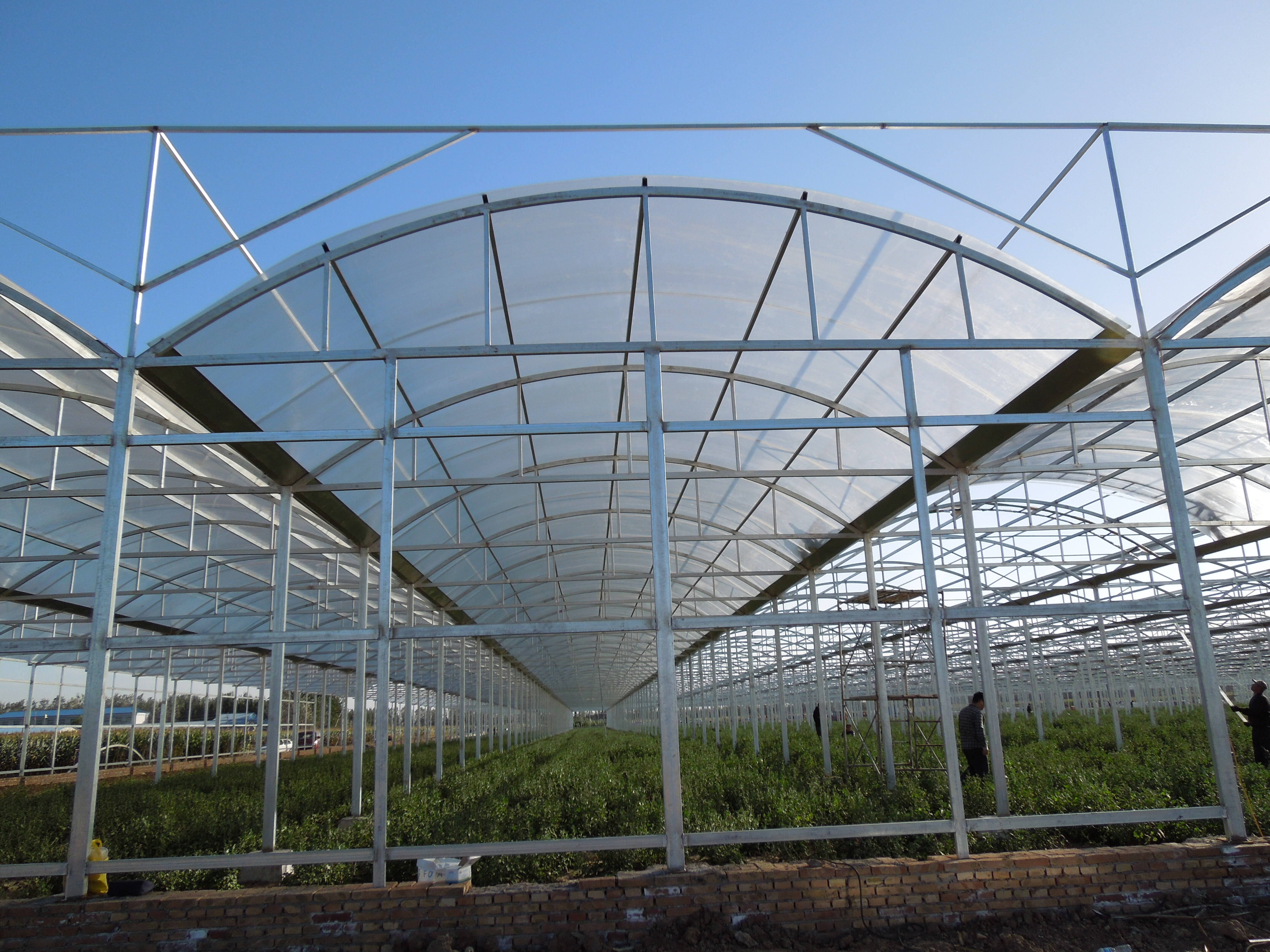
Safe and Effective Polycarbonate Greenhouse Cleaning Protocols
Why Streaks, Biofilm, and Mineral Stains Form on Polycarbonate Panels
When hard water dries up, it leaves behind those annoying streaks and mineral deposits made mostly of calcium and magnesium. Greenhouses with high humidity are particularly problematic because all sorts of stuff floats around in the air - algae spores, various pollutants - and they stick to glass or plastic panels. These particles then grow into biofilms, especially if there are tiny scratches or bumps on the surfaces where they can grab hold. Temperature changes create condensation cycles that actually make the mineral deposits worse over time, turning them into visible streaks. Pollen and dust just make matters worse by speeding up the whole process. Using the wrong cleaning equipment makes everything even harder since many brushes and cloths actually scratch the surfaces at a microscopic level, which means residues get trapped deeper. Even protective coatings start failing when mineral deposits manage to work their way underneath the surface layer, particularly after repeated freezing and thawing periods.
pH-Neutral, Low-Abrasion Cleaning: Preserving UV and Anti-Drip Coatings
Protect your polycarbonate greenhouse panels using this proven protocol:
- Prepare solution: Mix lukewarm water with a pH-neutral cleaner (7.0 ± 0.5)
- Apply gently: Use 100% cotton cloths with light pressure in circular motions
- Rinse thoroughly: Remove all residues with low-pressure water flow
- Dry immediately: Prevent spotting with clean, lint-free microfiber towels
It's best to stay away from those rough scrubbing pads and avoid using any alkaline cleaners with a pH over 8.0 since they can really break down those protective UV and anti-drip coatings on surfaces. Pressure washers that push beyond 500 PSI tend to create tiny cracks in UV protective layers, which cuts down on how well light spreads through the material by about 40 percent. Cleaning should happen when temperatures are neither too hot nor too cold, ideally between 10 and 25 degrees Celsius, to keep things from getting damaged by sudden temperature changes. Regular care and attention helps maintain those anti-drip properties and keeps light transmission at around 90% or better for longer periods of time.
Preventive Maintenance for Long-Term Polycarbonate Greenhouse Performance
Proactive care extends polycarbonate greenhouse lifespans beyond 15 years while preserving light transmission and thermal efficiency. Industry studies confirm structured maintenance routines reduce repair costs by 40% compared to reactive approaches.
Biannual Inspection Routines Aligned with HVAC Service Cycles
Schedule glazing inspections during spring and fall HVAC servicing to detect microfractures, seal failures, or coating degradation early. Synchronizing these checks with climate system maintenance ensures technicians can address multiple issues in a single site visit. Focus examinations on:
- Panel edges—common origin points for stress fractures
- Sealant integrity around vents and frames
- Condensation drainage pathways
Facilities aligning inspections with HVAC cycles experience 30% fewer climate control emergencies, according to field data from the Greenhouse Grower Alliance.
Seasonal Care Checklist: Winter Debris Management and Summer Condensation Control
Winter Protocol:
- Clear snow accumulations exceeding 6 inches within 48 hours using foam-tipped tools
- Inspect gutters weekly to prevent ice dam formation
Summer Protocol:
- Apply anti-condensation treatments to interior surfaces
- Verify airflow rates exceed 1 CFM per square foot to minimize moisture buildup
Implementing both protocols maintains 95% light transmission year-round and significantly inhibits biological growth.
Protecting UV and Anti-Drip Coatings from Premature Degradation
Tool-Related Damage vs. Environmental Exposure: Root Cause Analysis
UV and anti-drip coatings tend to wear out faster because of two main problems mechanical damage from cleaning and gradual breakdown caused by environmental conditions. When people clean surfaces with stiff brushes, metal scrapers, or rough pads, they actually damage those protective coatings. This lets UV light get through to the polycarbonate underneath while also making the surface less water resistant. The environment itself is another big problem too. Coatings exposed to constant sunlight, acid rain, and temperatures over 60 degrees Celsius start breaking down at the molecular level. According to recent research published in Material Science Quarterly last year, about seven out of ten coating failures come from environmental factors rather than just bad cleaning practices. By looking closely at scratch patterns and signs of UV damage, maintenance teams can figure out what's going wrong. Simple fixes like using softer cleaning materials and adding some kind of shading in areas with intense sun exposure can make a real difference in extending coating life.
Diagnosing and Resolving Common Polycarbonate Greenhouse Surface Issues
Getting surface contaminants right matters a lot for how well polycarbonate greenhouses perform over time. When growers mistake problems like hard water buildup, leftover silicone, or algae stains, they end up applying the wrong cleaners. These mistakes can actually wear away those important UV protective coatings on the panels. The Plastic Greenhouses Association released some telling numbers last year. Their field reports indicate that around eight out of ten early panel replacements happen because people used inappropriate cleaning methods based on misidentified issues.
Differentiating Hard Water Deposits, Silicone Residue, and Organic Staining
Three primary contaminants require distinct remediation approaches:
| Contaminant | Diagnostic Indicators | Solubility Profile | Recommended Removal Agent |
|---|---|---|---|
| Hard Water Deposits | Chalky, crystalline patterning | Dissolves in weak acids | Vinegar solution (5% acetic acid) |
| Silicone Residue | Oily streaks near panel joints | Resistant to water/solvents | Isopropyl alcohol (70% dilution) |
| Organic Staining | Green/brown biofilm with irregular edges | Alkaline-sensitive | Hydrogen peroxide (3% solution) |
Hard water deposits (efflorescence) form crystalline patterns due to mineral evaporation; uncured silicone sealants leave oily trails near frame joints; organic growth exhibits filamentous textures. For persistent cases, specialized cleaning solutions from trusted greenhouse suppliers preserve optical clarity without compromising anti-drip coatings—particularly vital in high-solar-exposure regions.
Repairing Polycarbonate Greenhouse Coverings and Seal Integrity
Maintaining structural integrity requires targeted solutions for coverings and seals. Temperature fluctuations drive cyclical expansion and contraction—polycarbonate’s coefficient of thermal expansion reaches 68 Å—challenging conventional adhesives. Few repair methods withstand such stress long-term.
Aircraft Tape Adhesion Performance Under Thermal Cycling: Field Evidence
Aircraft tape—featuring high-temperature acrylic adhesive—demonstrates superior resilience in greenhouse trials. Unlike standard tapes, it maintains bond strength across extreme thermal cycles:
- Summer Performance: Adhesive strength retained 94% after 60 days at 40°C (104°F) with UV exposure
- Winter Reliability: Zero adhesion failure at –25°C (–13°F) after repeated freeze-thaw cycles
Seal failures dropped by 81% when applied over properly cleaned joints, per 2023 field tests. Surface prep remains essential—residual moisture or dust reduces effectiveness by 40%. For lasting results, pair tape repairs with structural frame inspections.
FAQ Section
What causes mineral deposits and streaks on polycarbonate panels?
Mineral deposits and streaks on polycarbonate panels are primarily caused by hard water residue, humidity levels, and airborne particles like algae spores and dust settling on the panels.
How do you protect UV and anti-drip coatings during cleaning?
Use pH-neutral cleaners and gentle cotton cloths, avoid alkaline cleaners, and pressure washers over 500 PSI to prevent damage and preserve UV and anti-drip coatings.
What is the best way to identify and remove different contaminants on greenhouse panels?
Identifying contaminants involves recognizing patterns such as crystalline (hard water), oily streaks (silicone), and green/brown biofilms (organic). Use vinegar for hard water, isopropyl alcohol for silicone, and hydrogen peroxide for organic stains.