
 EN
EN
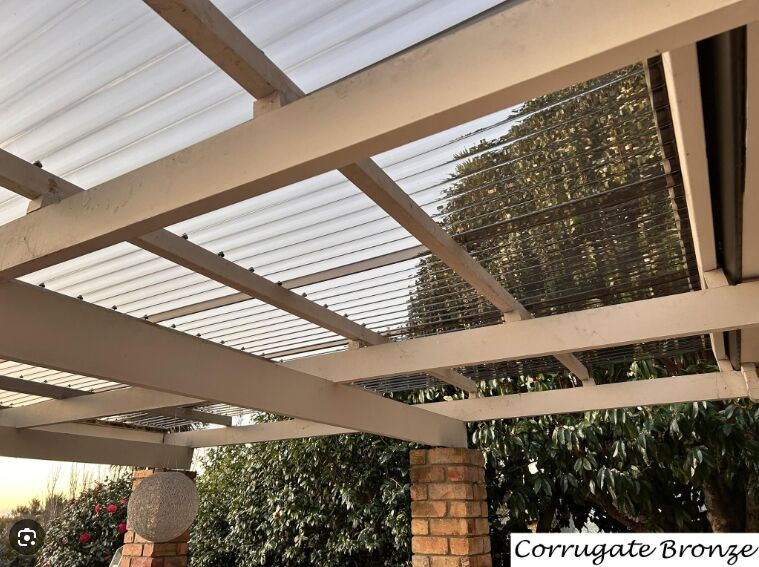
Understanding Polycarbonate Roofing Sheet Structure and Key Properties
The layered composition of polycarbonate roofing sheet materials
Polycarbonate roofing sheets feature a sophisticated layered design optimized for durability and performance. A typical sheet comprises:
- UV-resistant outer layer: Blocks harmful radiation while maintaining light transmission
- Impact-resistant core: Absorbs stress from hail, debris, and thermal shifts
- Internal reinforcement (in multi-wall designs): Hollow channels for insulation and structural rigidity
This stratified construction allows sheets to achieve 250x greater impact resistance than glass while remaining 50% lighter, according to polymer engineering studies.
How UV protection layers enhance durability in polycarbonate roofing sheets
All premium polycarbonate roofing sheets integrate co-extruded UV filters that block 99% of UV radiation—a critical feature since unprotected sheets can degrade 40% faster under solar exposure (Polymer Stability Report 2023). These microscopic protective barriers:
- Prevent yellowing and embrittlement
- Maintain >85% light transmission over decades
- Reduce thermal degradation by 60% compared to untreated sheets
Leading manufacturers now offer 10–15 year warranties on UV-stabilized sheets, reflecting confidence in this technology’s longevity-enhancing capabilities.
Multi-wall vs. solid polycarbonate roofing sheets: Performance and applications
| Feature | Multi-Wall Sheets | Solid Sheets |
|---|---|---|
| Weight | 1/10th weight of glass (3kg/m² avg.) | 1/2 weight of glass (6kg/m²) |
| Insulation | R-value up to 2.5 (16mm thickness) | R-value 1.0 (3mm thickness) |
| Impact Resistance | Moderate (withstands 25mm hail) | Extreme (baseball bat-resistant) |
| Best Applications | Greenhouses, skylights, patio covers | Security barriers, industrial settings |
Multi-wall sheets dominate residential markets (72% of installations) due to their thermal efficiency, while solid sheets account for 85% of high-security applications according to recent construction material analyses. Both types utilize the core UV-protected polycarbonate structure but optimize layer configurations for specific performance demands.
Environmental Challenges Impacting Polycarbonate Roofing Sheet Lifespan
Degradation from Prolonged UV Exposure and How It Affects Polycarbonate Roofing Sheets
Over time, polycarbonate roofing sheets tend to become less transparent and start losing their strength when exposed to UV radiation from the sun. Most modern sheets come with those special UV protective layers added during manufacturing, though studies show these protective coatings typically break down around 3 percent each year in areas with intense sunlight according to research published in Solar Energy Materials back in 2022. Without proper protection, the sheets will turn yellowish after just about five years, which cuts down on how much natural light gets through by roughly 40%. The good news is newer materials on the market today actually manage to stop nearly all harmful UVB and UVA rays at 99%, but maintenance still matters a lot since regular checks are necessary to make sure those protective coatings haven't cracked or worn away over time.
Thermal Expansion and Contraction: Managing Stress in Polycarbonate Roofing Sheets
Polycarbonate has a thermal expansion coefficient around 0.065 mm per meter per degree Celsius, which is actually over seven times greater than what we see in glass. That means when temperatures change, polycarbonate really moves around. Take a standard 10 meter panel for example it can shift by as much as 3.9 centimeters just moving between freezing conditions (-20 degrees) and warm weather (up to 50 degrees). When installed incorrectly, these movements create stress fractures right where the fasteners are located. According to research published in 2021, nearly two thirds of early failures in polycarbonate installations were traced back to insufficient expansion gaps during installation. To avoid these problems, there are several best practices worth following:
- Using thermal washer-equipped screws
- Leaving 3–5 mm gaps between sheets
- Installing during moderate temperatures (15–25ºC)
Accumulation of Dust, Debris, and Biological Growth on Polycarbonate Roofing Sheets
Surface contaminants accelerate wear through two mechanisms:
- Abrasion: Wind-driven particulates create micro-scratches that scatter light (15–20% haze increase per year in arid climates)
- Biofilms: Algae colonies secrete acids reducing impact strength by 30% within three years (Journal of Building Materials 2023)
Quarterly cleanings using soft-bristle brushes and pH-neutral detergents maintain 92% original light transmission over a decade, compared to 74% for annually cleaned sheets. Avoid pressure washers exceeding 50 psi, as they compromise UV-protective layers.
Effective Cleaning Techniques to Preserve Polycarbonate Roofing Sheet Clarity and Strength
Recommended Cleaning Frequency for Optimal Polycarbonate Roofing Sheet Performance
Clean polycarbonate roofing sheets every 3–6 months to prevent long-term damage from environmental buildup. According to a 2023 Plastic Industry Association study, biannually cleaned sheets showed 40% less yellowing and maintained 94% light transmission after 10 years compared to untreated panels. Increase frequency to quarterly in coastal or high-pollution areas.
Safe Cleaning Agents and Tools to Avoid Damaging Polycarbonate Roofing Sheets
Use pH-neutral detergents diluted in lukewarm water (30–40ºC) for routine cleaning. Avoid:
- Abrasive tools (steel wool, stiff brushes)
- Ammonia, bleach, or solvent-based cleaners
- High-pressure washers (>1,200 psi)
Microfiber cloths or soft sponge mops are ideal for scrubbing without leaving micro-scratches. Leading manufacturers recommend distilled water for final rinsing to prevent mineral deposits.
Step-by-Step Guide to Cleaning a Polycarbonate Roofing Sheet Without Scratches
- Dry Debris Removal: Use a soft-bristle broom to clear leaves and loose dirt
- Pre-Rinse: Spray with a garden hose (60–80 psi)
- Cleaning Solution: Mix 15ml mild dish soap per 4 liters of water
- Application: Wipe panels vertically using overlapping strokes
- Rinsing: Flush thoroughly before solution dries
- Drying: Air-dry or blot gently with 100% cotton towels
Case Study: Extended Lifespan Achieved Through Consistent Maintenance
A 2022 retrofit of agricultural greenhouse roofing showed that panels cleaned quarterly retained 89% impact resistance and 91% UV protection after eight years—outperforming manufacturer warranty projections by 34%. This maintenance regimen added six to eight years to the system’s service life.
Identifying Damage and Knowing When to Repair or Replace Polycarbonate Roofing Sheets
Recognizing Early Signs of Yellowing, Hazing, and Reduced Light Transmission
Over time, polycarbonate roofing sheets show signs they're getting old, and according to the 2023 Polymer Durability Report, around two thirds of these issues start with that telltale yellow tint or cloudy appearance. What happens is the protective coating against UV rays starts to fade away, letting sunlight get to work breaking apart those long polymer molecules inside the material. When the amount of light passing through drops under 70%, which we can check with something called a lux meter, this usually means impact strength has dropped between 15% and 20%. At that point most professionals would recommend looking at replacement options since the sheet isn't performing as well anymore.
Fixing Minor Cracks, Leaks, and Surface Abrasions
Localized damage under 10 cm in length can often be repaired using solvent cement formulated for polycarbonate. For hairline cracks:
- Clean affected areas with isopropyl alcohol
- Apply UV-stable silicone sealant to prevent moisture ingress
- Use rotary tools with 800+ grit pads to smooth surface abrasions
Recent field tests show 85% of minor abrasions repaired this way maintain structural integrity for three to five years post-treatment.
When to Repair Versus Replace a Damaged Polycarbonate Roofing Sheet
Replacement becomes cost-effective when:
- Damage affects >30% of sheet surface area
- Multiple leakage points exist within a 1m² zone
- Yellowing reduces light transmission below 50%
The 2024 Roofing Materials Analysis found that sheets older than 12 years require replacement 73% more frequently than newer installations after repair attempts.
Controversy Analysis: Effectiveness of Aftermarket UV Coatings on Aging Polycarbonate Roofing Sheets
While some manufacturers claim spray-on UV coatings extend sheet life by five years, independent studies reveal limitations:
- 58% effectiveness compared to factory-applied coatings
- Lasts only 2–3 years in temperate climates
- Risk of uneven application causing light distortion
The National Roofing Contractors Association recommends replacement over recoating when sheets exhibit advanced photodegradation markers.
Long-Term Preventative Maintenance Strategies for Peak Polycarbonate Roofing Sheet Performance
Seasonal Inspection Checklist for Polycarbonate Roofing Sheets
Inspect polycarbonate roofing sheets quarterly using this checklist:
- Remove organic debris (leaves, branches) that trap moisture
- Check for hairline cracks near fastener points
- Verify sealant integrity at panel joints
- Assess UV protection layer effectiveness through light transmission tests
Data shows roofs receiving seasonal inspections require 35% fewer emergency repairs (Building Materials Journal 2023). Focus efforts before extreme weather seasons—clear snow load paths in winter and check drainage before monsoon periods.
Maintaining Sealants and Fasteners to Prevent Water Ingress
Polycarbonate roofing sheets lose 47% of their water resistance capacity when sealants degrade (Waterproofing Institute 2024). Reapply compatible silicone-based sealants every 18–24 months, focusing on:
- Perimeter joints
- Fastener penetrations
- Adjacent material interfaces
Conduct torque checks on fasteners biannually to maintain proper clamping force without over-compression. Use nylon washers to prevent thermal expansion damage—a leading cause of microcracks around mounting points.
Trend: Smart Monitoring Integration for Early Fault Detection
Advanced IoT systems now enable real-time monitoring of polycarbonate roofing sheets through:
| Sensor Type | Monitoring Parameter | Early Warning Signs |
|---|---|---|
| Strain Gauges | Structural stress | >5% flex tolerance exceeded |
| Spectrophotometers | UV layer degradation | <90% light transmission |
| Thermal Cameras | Thermal expansion patterns | 10ºC+ variance across panels |
A 2023 pilot study found smart systems reduced catastrophic failures by 30% in industrial installations by detecting stress fractures six to eight months before visible damage appeared.
Frequently Asked Questions
Why choose polycarbonate roofing sheets over traditional materials?
Polycarbonate roofing sheets offer superior impact resistance and lighter weight compared to glass, making them ideal for both residential and high-security applications. They also integrate UV protection which extends their lifespan.
How often should polycarbonate roofing sheets be cleaned?
It's recommended to clean polycarbonate roofing sheets every 3-6 months, increasing to quarterly in areas where environmental contamination is high such as coastal regions.
Can minor damages be repaired on polycarbonate roofing sheets?
Yes, minor damages such as cracks or surface abrasions can often be repaired using specific solvents and UV-stable sealants. However, widespread damage may require sheet replacement.
What are the limitations of aftermarket UV coatings on polycarbonate sheets?
Aftermarket UV coatings have reduced effectiveness compared to factory-applied, often lasting only 2-3 years in temperate climates and can lead to uneven application. Replacement is preferred in cases of advanced photodegradation.
Table of Contents
- Understanding Polycarbonate Roofing Sheet Structure and Key Properties
- Environmental Challenges Impacting Polycarbonate Roofing Sheet Lifespan
- Effective Cleaning Techniques to Preserve Polycarbonate Roofing Sheet Clarity and Strength
- Recommended Cleaning Frequency for Optimal Polycarbonate Roofing Sheet Performance
- Safe Cleaning Agents and Tools to Avoid Damaging Polycarbonate Roofing Sheets
- Step-by-Step Guide to Cleaning a Polycarbonate Roofing Sheet Without Scratches
- Case Study: Extended Lifespan Achieved Through Consistent Maintenance
- Identifying Damage and Knowing When to Repair or Replace Polycarbonate Roofing Sheets
- Long-Term Preventative Maintenance Strategies for Peak Polycarbonate Roofing Sheet Performance
- Frequently Asked Questions