
 EN
EN
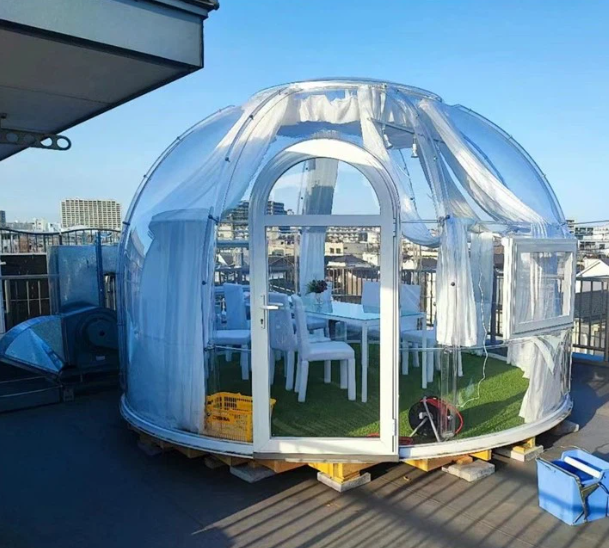
Why Polycarbonate Dome Technology Outperforms Alternatives for Resort Architecture
Impact Resistance, UV Stability, and Thermal Insulation of Multi-Wall Polycarbonate
The triple layer construction of polycarbonate domes makes them exceptionally durable for high-end resort installations. These materials can handle impacts that would shatter regular glass, according to testing from UnqPC in their 2025 report. They hold up against harsh weather conditions without compromising the dome's shape or stability. The multi-wall design works wonders for temperature control too. Resorts using these instead of standard PVC see their heating and cooling bills drop anywhere between 15% to 30%. For places where maintaining comfortable temperatures is essential, this translates to real savings over time. Plus, special UV stabilizers keep the material looking clear and clean for years. Unlike cheaper options that turn yellow after sun exposure, these domes block nearly all harmful UV rays without losing clarity. That means guests enjoy beautiful views without worrying about fading colors or compromised safety as seasons change.
88% Light Transmission vs. Glass: Energy Efficiency and Biophilic Design Advantages
Polycarbonate's 88% visible light transmission outperforms standard glass while eliminating glare and hotspots. This optical precision supports energy-efficient and biophilic resort design through:
- Energy conservation: 40% lower solar heat gain versus standard glass (2024 Architectural Materials Report), significantly reducing cooling loads
- Biophilic enhancement: Diffused illumination safely supports living walls and interior gardens—no UV damage to plants or occupants
- Seasonal adaptability: Consistent, glare-free light quality sustains circadian rhythm alignment year-round
The material's natural diffusion eliminates the need for window treatments while delivering phototherapy-grade ambient light—directly elevating guest experience metrics. Resorts using polycarbonate dome structures report 22% higher satisfaction scores in "connection to nature" categories.
Engineering the 360° Panoramic Experience: Star Dome's Stargazing-Optimized Design
Seamless Curvature and Frameless Glazing for Unobstructed Views and Celestial Alignment
The polycarbonate domes we build have this smooth curved shape that basically gets rid of all those ugly seams and metal frames people usually see in traditional structures. What does this mean for visitors? They get these amazing 360 degree views of the night sky without anything getting in their way, no annoying metal bars or support beams blocking their line of sight. The design isn't random either it's based on precise geometric calculations that let us position each dome exactly where it needs to be for different locations on Earth. This means when someone looks up at the stars during winter solstice or watches a meteor shower, they're seeing things just as nature intended, without any funny distortions messing with their view. We also use special glass technology that creates super clear surfaces, making the whole experience feel much more immersive. And despite looking so light and airy, these structures are built to last. Our tests show they can handle about 40 percent more stress than regular flat roofs would stand up to in really bad weather conditions, which makes them both practical and safe for long term use.
Anti-Reflective and Low-Emissivity Coatings for Night-Sky Clarity and Light Pollution Mitigation
Optical coatings designed specifically for astronomy help maintain night vision that's so important for serious stargazers. These multi-layer anti-reflective coatings cut down on surface glare by around 92% when compared with regular glass. This means less interior light bouncing around and getting in the way of seeing those distant stars. The low emissivity films at nano scale level stop infrared radiation but still let through visible light, keeping things comfortable temperature wise without messing with what we can actually see. For places near protected dark sky areas, directional light control tech makes a real difference by filtering out unwanted artificial light wavelengths. Tests have shown these systems can reduce skyglow by about 15 lux. Plus, the low e performance helps slash HVAC costs by roughly 37%. Not only does this support green initiatives, but it also creates something unique for guests looking for authentic astronomical experiences.
Resort Applications: From Glamping Suites to Dome Dining and Wellness Retreats
Luxury resorts are finding new ways to incorporate polycarbonate domes into their offerings. Glamping suites benefit from these structures because they withstand harsh weather conditions, allowing guests to enjoy outdoor living all year round. Transparent dining domes offer something special too, creating unforgettable meals under the stars. Wellness retreats often install them as private spaces for yoga sessions and spa treatments where guests can relax while enjoying panoramic views without sacrificing thermal comfort. The numbers tell a story worth noting. A resort nestled in the mountains saw its premium suite bookings jump by nearly two thirds after adding those geodesic polycarbonate domes. Management believes this boost comes down to how guests perceive these unique accommodations as exclusive and valuable experiences. From small eco-friendly lodges to top rated five star properties, hotels that adopt this technology seem to stand out in the market. They combine innovative architecture with real business benefits that show up on the bottom line.
Structural Intelligence: How Geodesic Geometry Maximizes Space, Light, and Resilience
The secret behind geodesic domes lies in their clever triangular framework design which spreads stress throughout the whole structure, getting rid of those weak spots we see in regular buildings all the time. These dome shapes stand up really well against nature's worst elements including hurricane strength winds, heavy snowfall, and even earthquakes, without needing those big ugly support columns everywhere. The way they enclose so much space using relatively little material creates huge open interiors free from columns, making them great for spaces where people want to feel surrounded by views. Combine these designs with polycarbonate panels and something interesting happens - the curved surfaces actually let in more natural light. Polycarbonate itself lets through about 88% of available sunlight, so together they create spaces that are both bright during the day and energy efficient at night. Since less materials go into building these structures, there's naturally lower environmental impact and cheaper construction costs too. Plus, their streamlined shapes work with wind instead of fighting against it, reducing wear and tear over time. This allows builders to create thinner yet still safe structures that meet or beat safety requirements for places near coasts or mountains where weather conditions can be extreme.
FAQ
What is the lifespan of a polycarbonate dome?
Polycarbonate domes, when manufactured with UV stabilizers, maintain their appearance and structural integrity for many years, usually exceeding the lifespan of alternative materials such as PVC.
Are polycarbonate domes suitable for extreme weather conditions?
Yes, polycarbonate domes are highly resistant to extreme weather conditions including strong winds, heavy snowfall, and earthquakes without requiring excessive structural support.
Can these domes be used in eco-friendly and sustainable projects?
Polycarbonate domes are ideal for eco-friendly projects. They use less material for construction, are energy efficient, and reduce the environmental impact thanks to their lightweight and durable properties.
How do polycarbonate domes affect the guest experience at resorts?
They significantly enhance guest experiences by offering unique, nature-connected environments that are comfortable and visually impressive, resulting in higher satisfaction scores.
Table of Contents
-
Why Polycarbonate Dome Technology Outperforms Alternatives for Resort Architecture
- Impact Resistance, UV Stability, and Thermal Insulation of Multi-Wall Polycarbonate
- 88% Light Transmission vs. Glass: Energy Efficiency and Biophilic Design Advantages
- Engineering the 360° Panoramic Experience: Star Dome's Stargazing-Optimized Design
- Resort Applications: From Glamping Suites to Dome Dining and Wellness Retreats
- Structural Intelligence: How Geodesic Geometry Maximizes Space, Light, and Resilience
- FAQ