
 EN
EN
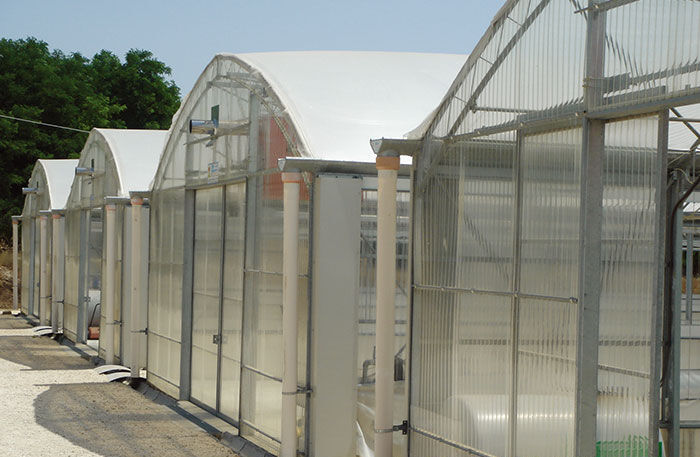
Upfront Investment: Polycarbonate Sunroom Material and Installation Savings
Material Cost Breakdown: PC Solid Sheets vs Tempered Glass (Per Sq Ft)
When it comes to material costs, polycarbonate solid sheets save a lot right off the bat. We're talking about savings in the range of 40 to 60 percent per square foot when compared to regular tempered glass that's built for structures. Looking at industry numbers, polycarbonate usually runs between eight and twelve dollars per square foot while tempered glass can set builders back twenty to thirty dollars or more. Why such a big difference? Well, polycarbonate starts as a polymer and gets manufactured through processes that skip all those energy hungry steps glass needs like annealing and lamination. Plus, transporting polycarbonate isn't nearly as complicated as moving around heavy glass panels. And here's another thing that makes PC stand out: its natural ability to withstand impacts means there's no need for those extra safety layers that go into glass installations. Those laminated interlayers add not just money but also headaches during installation.
| Material | Cost Per Sq Ft | Key Cost Drivers |
|---|---|---|
| Polycarbonate Sheets | $8-$12 | Raw polymer pricing, sheet thickness |
| Tempered Glass | $20-$30+ | Annealing energy, lamination, shipping weight |
Faster, Simpler Installation: Labor Efficiency and Structural Support Advantages of Polycarbonate
The lightweight nature of polycarbonate (about 1.5 kg per square meter) means installations take roughly 30 to 50 percent less time compared to traditional glass options. Workers can manage bigger panels without needing complex rigging setups, so they often don't require cranes or forklifts at all. Glass is notoriously fragile and needs exact framing measurements down to the millimeter, but PC sheets are much more forgiving. They work well even when there are slight surface variations and fit nicely into standard gasket attachment systems. All this makes labor costs drop somewhere between $15 and $25 per square foot. Plus, because polycarbonate has such a great strength to weight ratio, buildings actually need fewer structural supports. Subframe construction requires around 20 to 30 percent less steel reinforcement compared to what would be needed for glass installations, which really helps cut down initial construction expenses.
Long-Term Maintenance Burden: Durability, UV Resistance, and Service Life
UV Degradation, Hazing, and Replacement Cycles: Polycarbonate Sunroom Lifespan Realities
Polycarbonate left without protection tends to develop haze and turn yellow when exposed to UV radiation, which can cut down on light transmission by around 40% after just 5 to 8 years according to Material Degradation Quarterly from 2025. The good news is that UV stabilized multi wall sheets last much longer, often beyond 15 years, though they aren't immune to problems either. Thermal expansion and contraction creates tiny cracks that build up over time. Things get even worse near coastlines where salt spray speeds up deterioration by about 30%. This means panels need replacing more frequently, and each replacement comes at a real cost - somewhere between $12 and $18 per square foot depending on the situation. To make these materials last as long as possible, it pays to specify products with co extruded UV inhibitors and install them properly oriented against the sun's path.
Glass Sunroom Maintenance: Cleaning Frequency, Seal Integrity, and Rare but High-Cost Repairs
Tempered glass holds up pretty well against UV damage, but it needs regular cleaning every three months to stop minerals from building up and organic matter from accumulating on its surface. For something like a 200 square foot installation, this maintenance work typically takes around 15 to 20 hours of labor each year. According to the latest Glazing Industry Report from 2024, about 78 percent of all leak problems come down to failed sealants at those glazing joints, and fixing these issues can set property owners back as much as six hundred dollars per linear foot. While spontaneous glass breaking doesn't happen very often, when there's actual impact damage, replacing sections costs between fifty five and seventy five dollars per square foot. Insulated Glass Units, or IGUs for short, tend to lose their argon gas filling somewhere between twelve to fifteen years after installation. This loss reduces their thermal efficiency by roughly one third, and usually means the whole pane has to be replaced rather than just resealed, which ends up costing about three times what simple resealing would cost.
Energy Performance Economics: How Thermal Properties Affect Annual Operating Costs
U-Value Comparison and Climate-Specific Heating/Cooling Implications
Thermal efficiency—measured by U-value (W/m²K)—directly influences annual HVAC expenses. Multiwall polycarbonate achieves U-values of 1.5-1.8, significantly outperforming standard tempered glass (2.6-3.0). This difference delivers climate-responsive benefits:
- Cold climates: Polycarbonate’s ~30% lower U-value reduces conductive heat loss, lowering heating costs by 20-30%.
- Hot/humid regions: Lower solar heat gain decreases cooling demand, trimming HVAC runtime by 15-25% annually.
- Temperate zones: Consistent thermal buffering stabilizes interior temperatures year-round, reducing overall energy consumption.
During extreme conditions—such as -10°C winters or 35°C summers—glass structures require ~40% more HVAC energy to maintain comfort. For commercial buyers, this translates to $0.50-$1.20/sq ft in annual energy savings with polycarbonate—compounding meaningfully across a 15-year lifecycle.
Lifecycle Value Assessment: When a Polycarbonate Sunroom Delivers Stronger ROI
15-Year TCO Modeling: Breaking Down Depreciation, Energy, and Maintenance for Both Options
A 15-year Total Cost of Ownership (TCO) analysis shows how polycarbonate’s advantages accumulate. Though initial installation runs $25-$40/sq ft versus glass’s $45-$65/sq ft, long-term drivers tilt the balance:
- Maintenance: Polycarbonate incurs $0.10-$0.25/sq ft annually for cleaning and inspection—30-50% less than glass’s $0.30-$0.50/sq ft for sealant management and specialized cleaning.
- Energy: With U-values ~1.5 versus glass’s ~2.8, polycarbonate yields 10-15% lower HVAC costs in temperate climates.
- Replacement timing: While glass lasts 25-30 years, mid-life seal failures often trigger costly interventions. Polycarbonate’s 15-20 year lifespan aligns more predictably with typical commercial lease cycles—avoiding unplanned capital outlays.
Strategic Fit: Ideal Use Cases for Polycarbonate Sunroom
Polycarbonate delivers strongest ROI where speed, budget discipline, and functional longevity matter most:
- Budget-driven projects, where 35-45% lower upfront investment accelerates payback.
- Moderate climates, where its thermal performance avoids heating/cooling penalties without over-engineering.
- Short-term leases (<10 years), where depreciation and replacement risk are minimized.
In these scenarios, polycarbonate sunrooms reduce 15-year lifecycle costs by 18-25%—making them a strategically sound choice for value-conscious, operationally agile owners.
FAQs
What are the main advantages of polycarbonate over glass? Polycarbonate offers significant upfront savings, faster and simpler installation, fewer structural supports, and better thermal efficiency compared to glass.
How does polycarbonate’s durability compare to glass? While polycarbonate can be susceptible to UV degradation over time, it typically lasts beyond 15 years with proper UV protection. Glass often requires regular cleaning and maintenance to preserve its integrity.
Is polycarbonate suitable for extreme weather? Polycarbonate’s lower U-value provides benefits in both cold and hot climates, offering better insulation and energy savings.
What is the typical lifespan of polycarbonate materials? Polycarbonate can last between 15-20 years, while glass sunrooms may last 25-30 years but often require costly mid-life repairs.
Table of Contents
- Upfront Investment: Polycarbonate Sunroom Material and Installation Savings
- Long-Term Maintenance Burden: Durability, UV Resistance, and Service Life
- Energy Performance Economics: How Thermal Properties Affect Annual Operating Costs
- Lifecycle Value Assessment: When a Polycarbonate Sunroom Delivers Stronger ROI