
 EN
EN
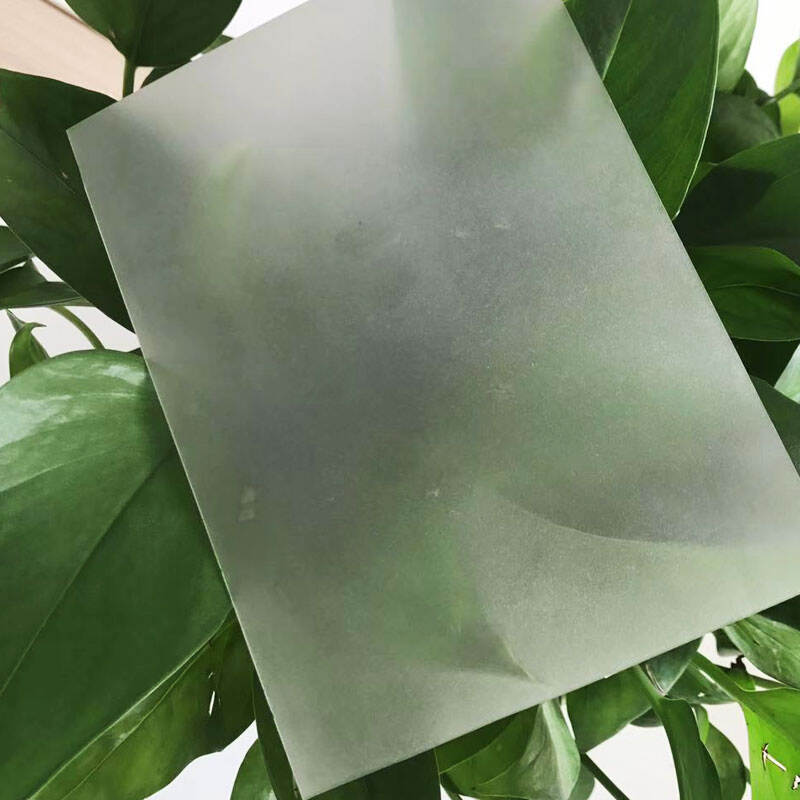
How Thickness Impacts Core Performance of Polycarbonate Sheets
Strength, rigidity, and load-bearing capacity across 4mm, 6mm, and 8mm Polycarbonate Sheets
Polycarbonate sheets get much stronger as they get thicker, though not quite exponentially so. The 4mm variety works fine for simple stuff like internal room dividers where strength isn't critical. Move up to 6mm and we see about half again as much load capacity, which makes them suitable for greenhouses when there's some snow expected on the roof. When things get serious, 8mm sheets really shine. They can handle roughly 60% more weight than their 6mm counterparts and bend less in strong winds too. As far as how far they can stretch without support goes, 4mm is good for around 80cm max, 6mm pushes that out to about 1.1 meters, and 8mm can cover nearly 1.5 meters across in those conservatory projects. Of course, architects need to weigh all these performance benefits against what the client wants to spend and whether the structure can actually support the extra weight.
Impact resistance and durability trade-offs by thickness
The way polycarbonate handles impacts doesn't just get better proportionally as it gets thicker. Take a look at some numbers: standard 4mm sheets can handle around 25 joules of force, roughly what happens when someone throws a baseball at it. But go up to 8mm and suddenly we're talking about absorbing 90 joules, which actually meets those tough safety standards required in hurricane-prone regions. There's something interesting though about going even thicker. While 6mm material gives about 85% of what 8mm offers, it costs 20% less money. All these different thickness options come with UV protection coatings too, but there's one catch worth mentioning. The thinner 4mm sheets tend to degrade about 30% faster when exposed to constant hail damage over time. Another consideration is weight. Those 8mm panels weigh almost twice as much as their 4mm counterparts, so installation requires stronger support structures underneath. Most contractors find that 6mm strikes a good balance between protection against vandals and keeping expenses reasonable for most projects.
Thermal Insulation and Energy Efficiency of Polycarbonate Sheets by Thickness
R-value progression and heat retention in 4mm vs. 6mm vs. 8mm Polycarbonate Sheets
When it comes to thermal insulation, thicker multiwall polycarbonate sheets really stand out because they offer much better protection against heat transfer thanks to their higher R-values, which is what the industry uses to measure how well materials resist heat flow. The secret lies in those air pockets sandwiched between the layers that act like tiny insulating bubbles. As the sheet gets thicker, these air pockets multiply and the R-value goes up accordingly. Some independent tests have found that 8mm thick sheets actually give around 30% more insulation than their 4mm counterparts, which means buildings retain heat far better. For anyone concerned about energy costs, this makes a big difference. Real world results show spaces stay at more consistent temperatures throughout the day, cutting down on HVAC usage by as much as 25% when compared to using thinner alternatives. These findings were confirmed in several green building studies conducted by the National Institute of Building Sciences.
Condensation control and thermal bridging implications
Good insulation helps prevent condensation problems because it keeps surfaces warm enough so they don't reach the dew point temperature where moisture forms. Studies show that going from standard 4mm to thicker 8mm polycarbonate sheets cuts down on condensation by around 40 percent in places with lots of humidity. The special multi chamber construction of these thicker sheets works against something called thermal bridging, which happens when heat slips out through gaps in the building structure. Installers who get this right will find that 8mm sheets create solid insulation layers right at those tricky frame connections, stopping little pockets of energy loss and helping buildings stay efficient for years instead of just months.
Application-Specific Recommendations for Polycarbonate Sheets
Matching 4mm, 6mm, and 8mm Polycarbonate Sheets to common B2B applications (greenhouses, skylights, canopies, conservatories)
Picking the right thickness really comes down to what the structure needs to handle, how exposed it will be to weather, and what kind of energy efficiency targets are set. Greenhouses and big skylight projects usually work best with 6mm polycarbonate sheets. They stand up pretty well against hail stones and stuff falling from above, let through about 80% of natural light, and generally meet snow load regulations across most regions. When installing canopies that stretch beyond 1.8 meters (around six feet), going up to 8mm makes sense. These thicker sheets won't droop when heavy rains collect on them and they hold their own against wind gusts hitting around 120 kilometers per hour. For conservatory builds, the 8mm option is typically recommended because of better heat retention properties (with an R-value of roughly 1.72) plus the fact that these sheets have been tested and proven to support significant snow loads. Save the 4mm material for things like internal room dividers or safety shields around machinery where saving weight matters more than lasting forever. And remember to check local construction standards regarding snow load requirements before finalizing any thickness decision.
Environmental and Structural Factors Influencing Polycarbonate Sheet Thickness Choice
Climate adaptation: wind/snow loads, UV exposure, and temperature extremes
Polycarbonate sheets that are thicker offer much better protection against harsh weather conditions. When we look at areas where snow is common, those 8mm thick sheets can handle about half again as much weight as their 4mm counterparts before they start to bend noticeably. Storm prone areas tell a different story though. Sheets that are 6mm thick or more stand up pretty well to winds blowing at around 150 miles per hour, provided they're attached correctly to framing that meets building codes. Every polycarbonate sheet needs some kind of UV protection coating, no question about that. But here's something interesting: the thicker sheets actually hold their shape better over time and don't crack as easily after being exposed to sunlight for years on end. Temperature changes cause materials to expand and contract constantly. The good news is that those 8mm thick sheets move about 30 percent less than the thinner ones during these temperature swings, which means less strain on all the hardware holding everything together and fewer problems with seals breaking down over time. Speaking of extreme cold, multi wall versions of 6mm sheets work really well in Arctic environments because they create a great barrier against heat loss while still standing up to the constant cycle of freezing and thawing that damages so many other materials.
Subframe compatibility, span limits, and installation best practices
Structural performance depends on harmonizing sheet thickness with supporting frameworks. Aluminum subframes require channel depths matching sheet dimensions—4mm sheets need minimum 15mm channels, while 8mm requires 25mm. Span capabilities increase with thickness:
| Thickness | Maximum Span (Unsupported) |
|---|---|
| 4mm | 0.8m |
| 6mm | 1.2m |
| 8mm | 1.8m |
Always allow 3—5mm thermal expansion gaps per meter and use compression-resistant EPDM seals. Position fasteners no closer than 15cm from sheet edges and avoid over-tightening to prevent stress fractures. Verify local building codes for specific snow/wind load requirements before finalizing thickness selection.
FAQ Section
What are the best thicknesses for polycarbonate sheets used in greenhouses?
For greenhouses, 6mm polycarbonate sheets are recommended as they balance strength and light transmission effectively, meeting most snow load regulations.
How does the thickness of polycarbonate sheets affect their thermal insulation properties?
Thicker polycarbonate sheets, such as 8mm, offer higher R-values, which improve thermal insulation and heat retention, reducing energy costs.
What considerations should be made on thickness for areas with extreme weather?
In areas prone to extreme weather like storms or snowy regions, 8mm sheets are recommended due to their superior impact resistance and weight capacity.
Table of Contents
- How Thickness Impacts Core Performance of Polycarbonate Sheets
- Thermal Insulation and Energy Efficiency of Polycarbonate Sheets by Thickness
- Application-Specific Recommendations for Polycarbonate Sheets
- Environmental and Structural Factors Influencing Polycarbonate Sheet Thickness Choice
- FAQ Section