
 EN
EN
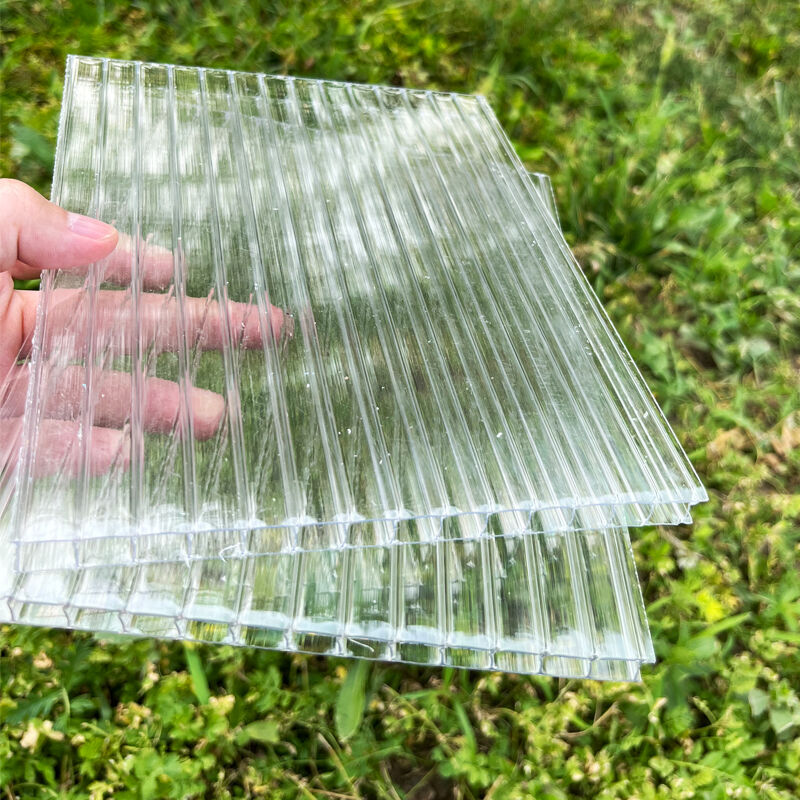
Unmatched Impact Resistance and Inherent Safety of Polycarbonate
Impact Resistance Comparison: Polycarbonate vs. Tempered Glass
When something hits polycarbonate, it actually soaks up that impact energy by bending slightly instead of breaking like regular glass does. Tests show this material stands up to around 250 times more force than normal glass and handles impacts about 30 times better than acrylic panels of similar thickness according to PomMaterial studies. What really matters though? Tempered glass tends to shatter completely when stress gets above roughly 24 MPa, sending sharp pieces flying everywhere. Polycarbonate stays whole and flexible even when subjected to pressures reaching 70 MPa, which meets those important ANSI Z97.1 standards for safe glazing materials. Because of these properties, many buildings in areas prone to hurricanes now install polycarbonate windows and doors. Factories dealing with heavy machinery also benefit from using this resilient material where there's always a risk of flying debris.
Shatter Resistance and Human Safety: Why Polycarbonate Eliminates Injury Risk
Unlike regular glass, polycarbonate doesn't actually break when hit hard. Instead, it bends, keeps its shape, and stays together even when subjected to serious impacts. What makes this possible? Well, polycarbonate has pretty impressive flexibility ratings around 2,300 to 2,400 MPa which means it can soak up energy without cracking suddenly. Tempered glass tells a different story though. When it breaks, it explodes into those razor sharp pieces that fly through the air at speeds exceeding 15 meters per second. These flying fragments are responsible for cuts in about eight out of ten accidents recorded by safety standards organizations. That's why more architects and facility managers are turning to polycarbonate materials for places like school buildings, hospital corridors, train station windows, and stadium bleachers – basically anywhere people might bump into surfaces accidentally during normal activities.
Lightweight Design and Installation Flexibility of Polycarbonate
Weight Reduction Benefits in Transportation, Architecture, and Retrofit Projects
Polycarbonate sheets weigh around 1.3 to 1.5 kg per square meter for a 6mm thickness, making them roughly half as heavy as glass. This significant weight difference means buildings can handle retrofit projects without needing major structural reinforcements when older frames simply wouldn't support heavier glass installations. Architects love working with this material because it allows them to create large open spaces and interesting building exteriors that traditional materials would make impossible due to their sheer weight. When used in vehicles, the lighter material directly affects fuel efficiency, burning less gas and producing fewer emissions overall. Putting polycarbonate in place takes far less effort compared to glass work. Workers need basic tools instead of specialized equipment, there are fewer safety concerns during installation, and most jobs get done about 30 percent faster than with standard glass systems. Plus, everyone on site tends to feel safer throughout the whole process.
Cold-Bending, On-Site Fabrication, and Curved Design Capabilities
What makes polycarbonate so special is its ability to bend cold into smooth curves without cracking, all at regular room temperatures. No need for heating elements or fancy machinery either. This means architects can shape domes, create arched skylights, or build those wavy building exteriors right there on site with nothing more than simple hand tools. Tempered glass tells a different story entirely. Once it's tempered, it becomes impossible to cut, drill holes in, or bend again. Polycarbonate handles changes during installation though, which cuts down on mistakes when measuring and saves materials that would otherwise go to waste. Designers love working with this material because they get creative freedom to make buildings look organic, geometric shapes, even mimic nature itself. Plus, there's no waiting weeks for factory processing or paying extra for special treatments before construction starts.
Critical Functional Limitations Driving the Shift from Tempered Glass
While tempered glass improves upon annealed glass in strength, three inherent limitations make it unsuitable for increasingly demanding applications—driving adoption of polycarbonate instead:
- Catastrophic Failure Risk: Tempered glass fractures completely when surface compression is compromised—by impact, edge damage, or nickel sulfide inclusions—generating hazardous, high-velocity shards. Polycarbonate avoids this risk entirely through ductile behavior.
- Thermal Shock Vulnerability: Internal tension from the tempering process renders it prone to spontaneous breakage during rapid temperature shifts—common in sun-heated façades or automotive applications. Polycarbonate withstands thermal cycling from –40°C to +120°C without degradation.
- Design Inflexibility: Thickness options are limited (typically 3–19 mm), and post-production modification is impossible without destroying the panel. Polycarbonate supports custom thicknesses, cold-forming, drilling, and routing—enabling adaptive, iterative design execution.
These constraints—shatter hazard, thermal instability, and rigid manufacturing requirements—undermine safety, longevity, and creative freedom in modern architecture and infrastructure. Polycarbonate’s ability to overcome them positions it as the functional and ethical upgrade.
Performance Realities: Optical Clarity, UV Stability, and Thermal Performance of Polycarbonate
Light Transmission, Anti-UV Coating Advances, and Solar Heat Gain Control
Polycarbonate today offers optical clarity that can actually compete with glass, transmitting around 90% of visible light while still managing to cut down on glare and reduce those annoying visual distortions we all hate. The latest versions come with these advanced UV blocking layers that stop more than 99% of harmful ultraviolet rays from getting through. That means materials won't turn yellow over time and stay clear for many years, even when installed near the equator or at higher altitudes where sunlight is stronger. When it comes to temperature resistance, polycarbonate stands out pretty well too. It keeps its shape and size stable between temperatures ranging from minus 40 degrees Celsius all the way up to plus 120 degrees Celsius. Plus, it has a heat deflection point reaching 150 degrees Celsius and conducts heat at only 0.22 W per meter Kelvin. These characteristics help cut down solar heat gain by approximately 30% compared to regular glass products. Because of this, manufacturers find it particularly useful for making energy efficient skylights, greenhouse roof panels, and various daylighting solutions where good visibility, long lasting material quality, and natural temperature regulation need to work together effectively.
FAQ
- What makes polycarbonate more impact-resistant than glass? Polycarbonate absorbs impact energy by bending and does not shatter like glass, providing superior impact resistance.
- How does polycarbonate enhance human safety? Polycarbonate does not break into sharp pieces, reducing injury risks associated with glass shattering.
- Why is polycarbonate preferred in lightweight designs? Its lightweight nature and easy installation make it convenient for transportation and architectural projects.
- Can polycarbonate be cold-bent on-site? Yes, polycarbonate can be shaped into curves at room temperature, allowing for dynamic designs.
- Does polycarbonate offer good optical clarity? Yes, polycarbonate offers optical clarity competing with glass, along with UV protection.