
 EN
EN
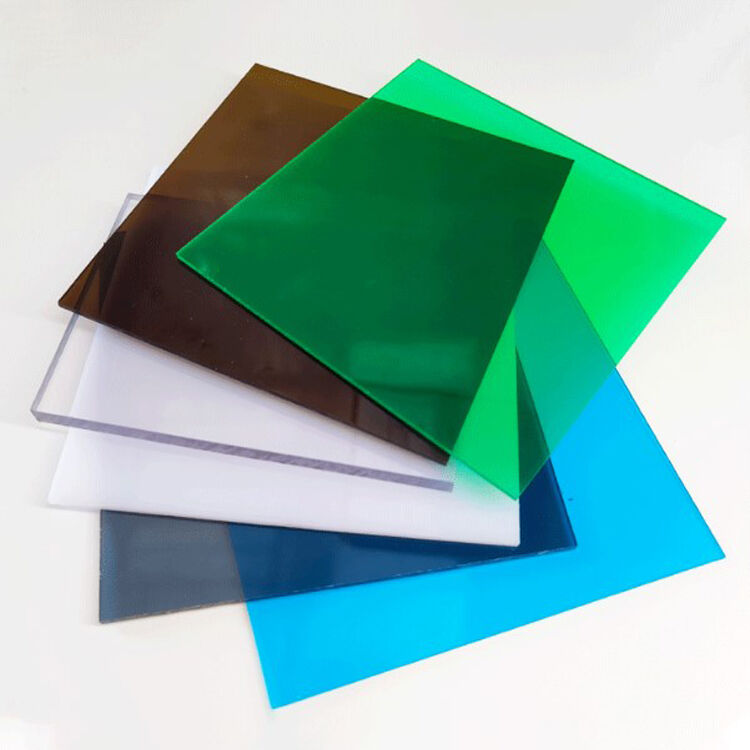
How Sound Barrier Performance Differs Between Acrylic and Polycarbonate
Mass Law, Stiffness, and Damping: Why Material Physics Dictates STC Outcomes
When looking at Sound Transmission Class (STC) ratings, we can see why acrylic and polycarbonate behave so differently as sound barriers based on their fundamental physical characteristics. According to the mass law principle, thicker materials tend to block more sound in general. But there's more to it than just mass alone. Acrylic has good density which helps improve STC ratings when made thicker, but its rigid nature actually creates problems around certain frequencies. Specifically between 500 to 2000 Hz range, sound transmission through acrylic can jump up by as much as 15 dB because of these resonance issues. Polycarbonate works better here thanks to its damping properties. What makes polycarbonate special is how its molecular structure allows it to turn vibrations into heat energy, particularly effective for lower frequency noises below 500 Hz. Tests show it handles low-end sounds about 30 percent better than acrylic panels of similar thickness. The difference in stiffness matters too for lasting performance. Acrylic tends to crack easily during installation or when exposed to temperature changes over time, which eventually weakens its sound blocking ability. Polycarbonate remains flexible though, maintaining those important seals even when stressed, making it a more reliable choice for installations where acoustic performance needs to last.
Lab vs Real-World STC Ratings: Why Field Installations Reveal True Sound Barrier Efficacy
Lab STC test results tend to paint an overly optimistic picture of actual performance, usually showing about 5 to 10 points higher than what happens in real world conditions. This happens because there are always those pesky flanking paths in practice gaps around window frames, electrical boxes, imperfect wall joints and so on. Acrylic panels need absolutely perfect installation with no gaps at all. Even small mistakes during installation can lead to air leaks that cut down the effective STC rating by as much as 20% when installed in buildings. Polycarbonate offers something different though its flexible nature allows it to work well even if the surfaces aren't perfectly flat. This helps keep those important acoustic seals intact, so most of the STC rating from lab tests actually translates to real world performance, typically holding over 90% of the original rating. The benefits really stack up in places where temperatures change regularly. Acrylic expands and contracts quite a bit with temperature changes (about 7 x 10^-5 per degree Celsius), creating new leak paths over time. Polycarbonate doesn't expand as much (around 6.8 x 10^-5 per degree) and stays elastic enough to maintain its seal integrity. That makes polycarbonate the better choice for applications where sound control matters most, like hospitals needing patient confidentiality or professional recording studios where consistent noise reduction is essential. Despite similar numbers on paper, polycarbonate consistently performs better in actual installations.
Acrylic as a Sound Barrier: Clarity, Limitations, and Optimal Applications
Resonance Peaks and Mid-Frequency Weaknesses in Monolithic Acrylic Panels
The rigidity of acrylic leads to a major problem with sound: it tends to amplify resonance between 1000 and 2000 Hz, right where our ability to understand speech is strongest. High damping materials work differently from acrylic. They absorb vibrations instead of passing them along. Acrylic just sends those vibrations right through, which can drop STC ratings by as much as 15 dB at these resonant frequencies compared to other frequency ranges. This basic flaw makes it tough to maintain privacy during conversations in places like meeting rooms or doctor's offices, even if lower frequency noises are properly controlled. How well acrylic works really depends on the situation. It performs best in environments where mid-range frequencies aren't so important for communication purposes.
When Acrylic Works: Urban Office Partitions and STC 32—36 Scenarios
Acrylic remains a pragmatic choice for moderate-noise environments prioritizing transparency, cost efficiency, and ease of installation. Its optimal niche is urban office partitions targeting STC 32—36, particularly where:
- High-frequency noise dominates (e.g., traffic hum, HVAC systems)
- Visual connectivity and natural light transmission (92%) outweigh absolute speech privacy
- Budget constraints limit adoption of laminated or multi-layer alternatives
Data collected from offices that have been retrofitted with open plans indicates that 6mm thick acrylic partitions can cut down street noise levels from around 65 dB down to somewhere between 45 and 50 dB at workstations near the building edges. This reduction seems adequate enough for most day-to-day tasks without making employees feel isolated from what's happening around them. Acrylic does beat regular glass when it comes to handling impacts, but there are limitations. The material doesn't perform so well in spaces with lots of low frequency sounds or when sound transmission class ratings above 40 are needed to keep conversations private. For these tougher acoustic challenges, companies typically need to step up to polycarbonate laminates instead of sticking with basic acrylic solutions.
Polycarbonate as a High-Performance Sound Barrier: Impact Resistance Meets Acoustic Control
Superior Damping Coefficient and Low-Frequency Attenuation Advantages
The molecular makeup of polycarbonate gives it amazing shock absorption capabilities. It can take in around 250 times more impact energy compared to regular glass and also cuts down on those annoying structural vibrations we all hate. When it comes to how well it handles sound, this material really shines. The damping properties work wonders at suppressing noises under 500 Hz frequencies, which is exactly where acrylic materials tend to fail badly. Take a standard 6mm thick panel made from polycarbonate and it blocks about 29 decibels worth of general background noise according to STC ratings. What makes this material so popular among engineers? Besides absorbing impacts and controlling noise levels, polycarbonate stays stable even when temperatures swing dramatically. That combination of features explains why so many manufacturers choose it for tough environments such as factory equipment housings, busy train station walls, and highway noise barriers where both durability and quiet operation matter a lot.
Multi-Layer Laminates: The Emerging Standard for Critical Sound Barrier Environments
Multi wall polycarbonate laminates have become pretty much standard for serious sound barrier jobs that need at least STC 35+. The secret lies in those clever air gaps between layers which mess with sound waves in ways regular solid panels just can't match. Take highway noise barriers for instance: 16mm triple wall setups cut down traffic noise by around 21 dB and still hold up against flying stones from passing vehicles. From an architectural standpoint, curved laminates offer something special too. They block noise while letting in nice diffuse daylight without all the problems traditional glass has with thermal bridges and condensation issues. What really stands out is how these materials keep performing consistently even when temperatures swing wildly from -40 degrees Celsius to 120 degrees Celsius. We've seen this work time and again on European rail projects where the material's low thermal expansion means the acoustic properties stay intact throughout the seasons.
FAQ
What is the main difference in sound barrier performance between acrylic and polycarbonate?
Acrylic tends to amplify sound resonance between certain frequencies, whereas polycarbonate absorbs vibrations, making it more effective at controlling lower frequency noises.
Why are lab STC ratings different from real-world installations?
Lab STC ratings often show higher performance due to ideal conditions. Real-world installations face factors like installation gaps, affecting actual STC ratings.
What are optimal applications for acrylic and polycarbonate?
Acrylic is best for moderate-noise environments stressing transparency and cost efficiency. Polycarbonate is ideal for spaces requiring high-performance sound barriers, such as hospitals or studios.