
 EN
EN
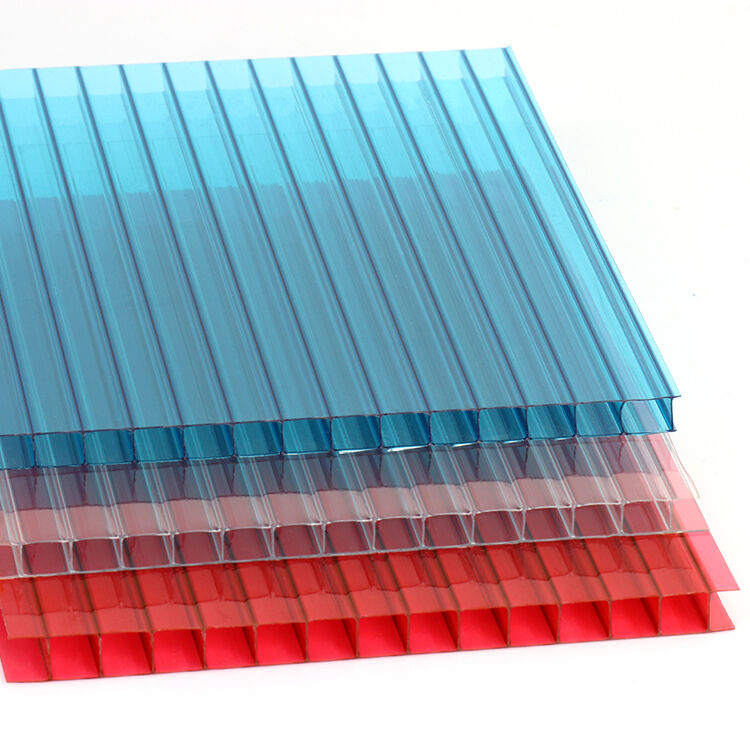
Durability & Impact Resistance: Polycarbonate’s Structural Advantage for Bubble Tent Longevity
Polycarbonate’s Exceptional Impact Strength in Real-World Glamping Conditions
When it comes to bubble tents, polycarbonate stands out for how tough it is against impacts. Tests from Tw Polycarbonate in 2024 show it can take hits about 250 times better than regular glass and around 30 times better than acrylic. The stuff is basically built to handle whatever nature throws at glampers during their outdoor stays. Falling tree branches? No problem. Hail coming down hard? Still holding strong. Even when someone bumps into the side accidentally, the material doesn't crack or break apart like cheaper options do. What makes this possible? Well, polycarbonate actually bends instead of breaking because of the way its molecules are arranged. This special structure spreads out the force from impacts across the whole surface area rather than letting all that energy hit one spot. Because of this smart design feature, these tents stay intact even after years of being exposed to all sorts of weather conditions and random stuff people might bump into them with.
Plastic (PVC/TPU) Limitations: Puncture Risk, UV Embrittlement, and Thermal Fatigue
Standard plastic bubble tents face three interrelated material weaknesses:
- UV degradation: PVC and TPU rely on chemical stabilizers that migrate and deplete over time, causing surface embrittlement within just 2 –3 seasons
- Puncture susceptibility: Thin membranes (0.5 –1.2 mm) tear easily from sharp debris, wildlife contact, or handling during setup
- Thermal cycling failure: Repeated expansion and contraction across daily temperature swings generate micro-fractures—especially at seam welds and mounting points
Field data confirms plastic domes develop visible stress cracks at critical load points after ~18 months, while polycarbonate maintains structural cohesion across extreme temperatures (–40°C to 120°C). This fundamental difference translates directly into lower long-term replacement costs and uninterrupted guest operations.
UV Resistance & Lifespan: How Polycarbonate Extends Bubble Tent Service Life by 2 –5
Inherent UV Stability of Polycarbonate vs Additive-Dependent Protection in Plastic
The molecular structure of polycarbonate gives it built-in protection against UV radiation without needing any special additives. This natural resistance means the material doesn't turn yellow or become brittle and chalky on the surface as time goes by. When manufacturers add extra UV blocking layers during production, polycarbonate can stop almost all harmful UV rays from getting through while still keeping its clear appearance and strong physical properties. The situation is quite different for materials like PVC and TPU which rely completely on UV inhibitors that get washed away quickly when exposed to sunlight. According to industry research, regular PVC starts losing about half its strength within just two years outside, but polycarbonate that's been properly stabilized keeps around 90% of its original qualities even after ten years. Plus, polycarbonate has a much higher heat tolerance point around 150 degrees Celsius, which helps maintain its performance characteristics despite going through many cycles of heating and cooling that would normally cause other plastics to break down faster.
Field Data: 10+ Years for UV-Coated Polycarbonate vs 2 –4 Years for Standard PVC Bubble Tents
Glamping businesses often see their UV protected polycarbonate bubble tents lasting between 10 and 15 years before needing replacement, with some actually staying functional well beyond that timeframe. The reason? A special UV protection layer fused directly into the material itself, which stands up against sun damage much better than regular materials. Regular PVC tents tell a different story though. Most start showing structural problems after just 2 to 4 years, especially in places where the sun beats down hard like parts of southern Europe or the American Southwest. We've seen instances where PVC roofs become brittle and crack within as little as 18 months there. From a financial perspective, the longer life of polycarbonate makes it worth the extra upfront cost in most cases. Owners report around a 60% savings over time compared to cheaper alternatives. Temperature stability is another plus point. Polycarbonate handles extreme weather conditions ranging from minus 30 degrees Celsius all the way up to 130 degrees without warping or cracking, something ordinary PVC simply can't do since it only works reliably between minus 10 and 60 degrees Celsius.
| Material Performance Comparison | Polycarbonate | Standard PVC |
|---|---|---|
| Average Lifespan (Outdoor) | 10 –15 years | 2 –4 years |
| UV Degradation Onset | >10 years | <2 years |
| Temperature Resistance Range | –30°C to 130°C | –10°C to 60°C |
| Light Transmission Retention | >89% at 10Y | <70% at 3Y |
Optical Performance & Guest Experience: Clarity, Light Transmission, and Aesthetic Appeal in Bubble Tents
90%+ Visible Light Transmission and Anti-Scratch Clarity in Polycarbonate Bubble Tents
Polycarbonate bubble tents let through over 90% of visible light, which is pretty much the best among all transparent materials out there. This creates really bright spaces inside where guests can see everything without distortion and get plenty of natural sunlight during the day. The material itself has built-in protection against scratches, so it doesn't get cloudy or develop those tiny abrasions that ruin visibility. Compared to alternatives like PVC or TPU, polycarbonate stays clear and sharp looking for much longer. Guests love being able to see the surroundings clearly during the day and then gaze at the stars at night without any interference from the structure itself. That's what makes these tents stand out in high-end glamping setups. From an operational standpoint, the fact that the panels stay clean longer means less time spent on maintenance. Plus, operators don't have to replace panels as often because they maintain their appearance so well, saving money on expensive replacements down the road.
All-Weather Structural Integrity: Wind, Snow, and Thermal Load Performance of Bubble Tent Materials
Rigid Polycarbonate Domes vs Flexible Plastic Inflatables Under High Wind (>50 km/h) and Snow Load
When it comes to structural integrity, polycarbonate bubble tents just hold up better than those flexible plastic options we see everywhere else these days. The way they're built with that rigid dome shape actually stands up pretty well against winds over 50 kilometers per hour. No more dealing with all that annoying flapping around or stressed seams that happen with those cheap PVC and TPU inflatable tents. Some real world tests done in the mountains show these polycarbonate domes can handle snow weighing as much as 35 kilograms per square meter without any bending or warping. And let's not forget they're way tougher too, standing up to impacts 250 times stronger than regular plastics would manage before giving way completely. Temperature changes are another big deal for camping gear, right? Well here's something interesting about polycarbonate materials. They stay stable even when temperatures swing wildly. While PVC gets really stiff and brittle below minus ten degrees Celsius and turns gooey above forty degrees, polycarbonate keeps performing predictably throughout a massive range from minus forty all the way up to 120 degrees Celsius. That kind of consistency means campers don't have to worry about their shelter failing them whether they're hiking through snowy peaks, setting up near the coast, or braving hot desert climates where temperature extremes are part of daily life.
FAQ
What makes polycarbonate bubble tents more durable than PVC tents?
Polycarbonate bubble tents are more durable because they have higher impact and UV resistance compared to PVC tents. The material's molecular structure allows it to distribute force across the surface rather than focusing it on one point, helping withstand impacts, temperature changes, and UV radiation for longer periods.
How does polycarbonate's UV stability impact the lifespan of bubble tents?
Polycarbonate naturally resists UV radiation without additives, preventing yellowing and brittleness. When UV protection is applied, polycarbonate tents can maintain their properties for up to 10 years or more, whereas PVC tents begin to degrade in as little as 2 years.
Why is optical performance important for bubble tents?
High optical performance, like over 90% visible light transmission, enhances guest experience by providing bright, clear views both day and night. Polycarbonate's anti-scratch features preserve clarity and maintain aesthetic appeal, extending maintenance intervals and replacement cycles.
Can polycarbonate bubble tents handle extreme weather conditions?
Yes, polycarbonate bubble tents can handle extreme weather conditions. Their rigid dome structure is resistant to wind above 50 km/h and snow load up to 35 kg/m². Furthermore, polycarbonate remains stable across a wide temperature range from -40 to 120°C.
Table of Contents
- Durability & Impact Resistance: Polycarbonate’s Structural Advantage for Bubble Tent Longevity
- UV Resistance & Lifespan: How Polycarbonate Extends Bubble Tent Service Life by 2 –5
- Optical Performance & Guest Experience: Clarity, Light Transmission, and Aesthetic Appeal in Bubble Tents
- All-Weather Structural Integrity: Wind, Snow, and Thermal Load Performance of Bubble Tent Materials