
 EN
EN
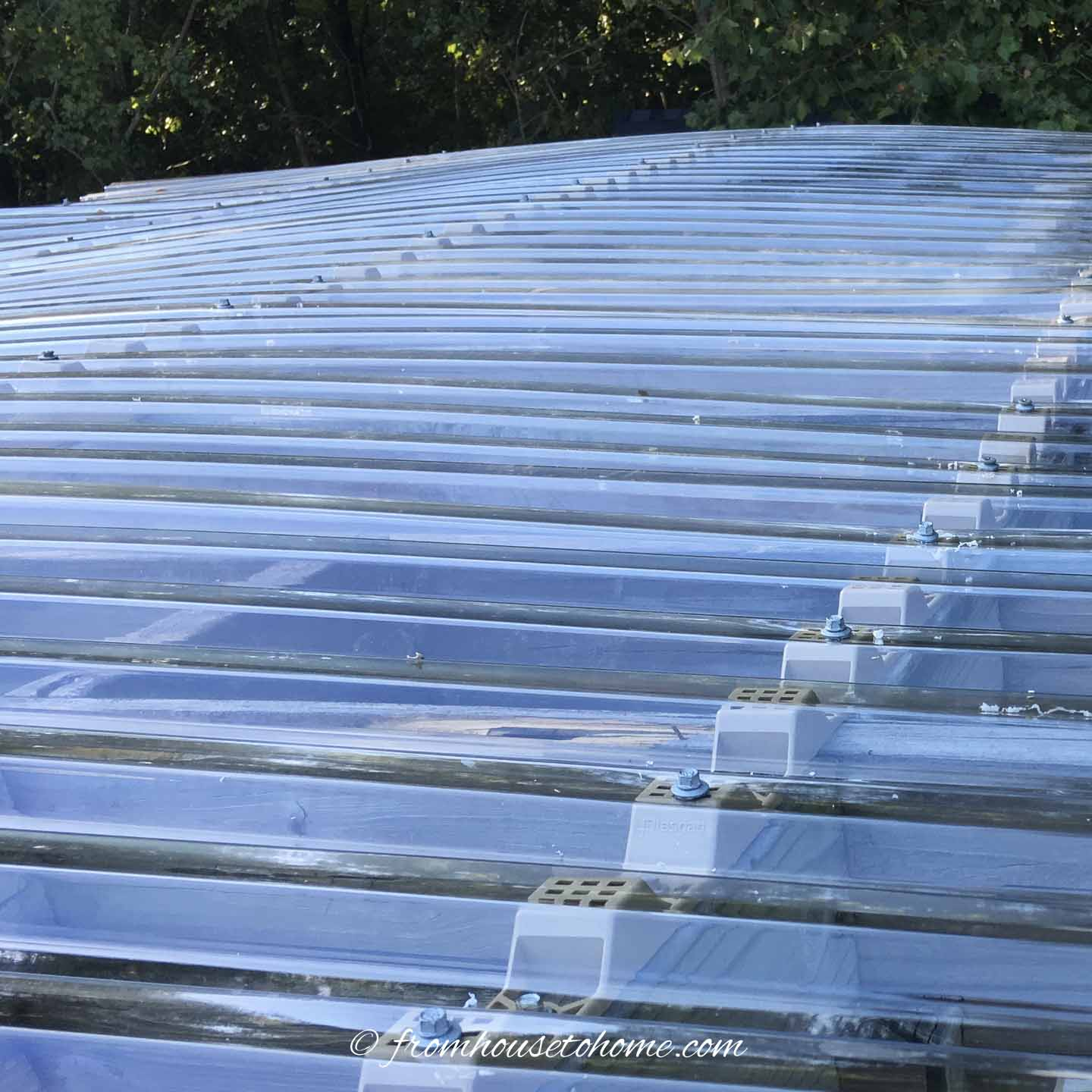
Why Transparent Roof Performance Depends on Material Choice
What material we choose makes all the difference when it comes to how well transparent roofs perform in several key areas. Things like structural strength, temperature control, how light spreads through the space, and what happens to costs over time can change dramatically depending on whether we go with polycarbonate or glass. Most projects end up picking between these two main options, and they each bring something special to the table. When it comes to durability, polycarbonate panels hold up against impacts about 200 times better than regular glass, plus they weigh roughly half as much according to Ponemon research from last year. That means architects can design larger spaces without needing support structures every few feet. Thermal efficiency is another big factor. Multiwall polycarbonate insulates about 40% better than standard single pane glass, which translates to real savings on heating and cooling bills somewhere between 15 to 30 percent per year. Light distribution matters too. Polycarbonate spreads sunlight evenly throughout a room, cutting down on annoying glare spots. Regular glass just creates those bright hot areas that require extra shading solutions. And let's not forget about long term maintenance. After a decade outside, UV protected polycarbonate still lets in around 92% of available light without turning yellow like cheaper alternatives do. All these factors show why smart designers focus more on actual performance characteristics rather than just looking good.
Thermal, Structural, and Safety Properties of Transparent Roof Materials
Thermal insulation and energy efficiency in transparent roof panels
Multi wall polycarbonate panels can reach U values around 0.58 W per square meter Kelvin because they have those insulating air spaces between the layers. These air gaps cut down on heat transfer about half compared to regular single pane glass. The improved thermal performance means buildings need less HVAC energy all year round, maybe saving up to thirty percent according to Green Building Council data from last year. Another plus point is that polycarbonate doesn't get condensation issues since it naturally resists moisture buildup. Glass windows usually need expensive low E coatings just to get close to this kind of performance. With sustainability becoming the norm these days, many architects are turning towards polycarbonate materials not only for their energy savings but also because they put less strain on building structures overall.
Impact resistance and safety compliance for transparent roof applications
When it comes to impact resistance, polycarbonate really stands out compared to regular glass. We're talking about something that's roughly 200 times tougher than annealed glass without actually breaking apart. That makes it great choice for places prone to hail damage or buildings near construction sites where things might fall from above. The material meets those ANSI Z97.1 safety requirements too, which basically means it bends and shows signs of stress before giving way completely. People inside can see when something is about to fail, giving them time to react. Tempered glass tells a different story though. When it breaks, it shatters into dangerous pieces that can hurt anyone nearby. Because of how tough polycarbonate is, these materials typically last well over two decades with almost no upkeep needed. Factories, warehouses, and busy commercial spaces benefit especially from this combination of safety features and long lasting performance.
Weight, span capability, and structural load implications
Polycarbonate has a density around 1.2 grams per cubic centimeter, which is roughly half what glass weighs. This lighter material means buildings can handle much longer unsupported spans, sometimes stretching out to nearly 2.5 meters before needing support. Architects appreciate how this characteristic lets them design spaces with sleeker lines while also cutting down on expensive steel framing requirements. For older buildings undergoing renovations, the weight advantage becomes really important since most existing frameworks can easily carry the new polycarbonate roofs without requiring major structural upgrades. Glass still dominates when it comes to fire safety standards because of its Class A rating, but manufacturers are starting to develop fire resistant versions of polycarbonate that might eventually challenge glass's dominance in these critical applications.
Light Management: Clarity, Diffusion, and UV Protection in Transparent Roof Systems
Visible light transmission and glare control for occupant comfort
Transparent materials that perform well let around 90% of visible light pass through them, which means buildings need less artificial lighting and interiors stay bright naturally. But there's a catch when sunlight hits regular glass directly it causes annoying glare spots and creates areas where the temperature spikes uncomfortably. To fix this problem, newer diffusion tech like those fancy prismatic coatings or special additives inside the glass spread out the light better, cutting down on harsh shadows and tired eyes from staring at bright patches. For offices and stores, mixing these high transmission materials with smart shading solutions gives just the right amount of light between roughly 500 to 1000 lux on average while keeping the building from overheating due to all that sun coming in.
UV stability and long-term optical performance retention
Sunlight takes a real toll on clear materials over time, making them turn yellow and develop tiny cracks that can cut visibility down as much as 40% after just five years sitting outside. The newer polycarbonate panels now come with special UV blocking layers built right into them during manufacturing. These layers soak up almost all the damaging rays from the sun but still let through plenty of visible light so things stay bright and clear. What makes these barriers work so well is how they bond at the molecular level, stopping the material from getting brittle and keeping both its appearance and strength intact for many years. For places where there's intense sunlight or where preserving historical items matters, applying nano ceramic coatings gives even better protection against fading and degradation, maintaining good performance for around 15 years or more depending on conditions.
Project-Specific Selection Framework for Transparent Roof Materials
When polycarbonate excels: Cost-sensitive, curved, or high-impact environments
For projects where money matters, polycarbonate offers great bang for buck, typically coming in around 40% cheaper than structural glass but still letting through about 85% of available light. The material's thermoplastic nature means it can be formed into all sorts of curved shapes during manufacturing, which is why we see it so much in dome structures and those barrel vault roof designs that regular glass just cant handle. Tests according to ASTM D5420 show this stuff can take a beating from hailstones as big as 2.5 inches across without cracking or breaking, something that makes a real difference in areas prone to bad storms or industrial environments. Weighing in at only 0.43 pounds per square foot, the material's light weight cuts down on what kind of support framework needs to be built underneath, saving roughly a quarter on structural costs overall. That kind of savings adds up fast on larger installations.
When glass is justified: Aesthetic premium, fire-rated, or heritage-compliant transparent roof projects
When it comes to premium architecture, glass just keeps winning hands down when visual clarity matters most and there's a need for that certain level of prestige. The stuff maintains almost perfect visual quality for years on end, something plastics simply can't match when it comes to staying optically stable over time. Fire safety is another big plus point for glass these days. Laminated versions with those special expanding layers meet top tier safety standards like UL 790 and EN 13501-1, giving anywhere from an hour to two hours before anything starts burning through. That kind of protection beats regular plastic panels any day. Old building restorations frequently demand real glass copies to pass all those heritage rules, plus the 0.99 emissivity factor helps regulate temperature naturally without extra effort. And let's not forget about scratches either. Glass holds up surprisingly well against constant wear and tear in busy places where nobody has time for regular cleaning and maintenance.
Emerging Innovations Enhancing Transparent Roof Functionality
Multi-wall polycarbonate and vacuum-insulated glazing for improved thermal performance
Polycarbonate panels with multiple walls contain air pockets that significantly cut down on heat loss compared to regular single pane options, sometimes reducing U-values by as much as 40%. Adding vacuum insulated glass to these systems makes things even better. The VIG technology works by creating almost empty space between two glass sheets, which dramatically lowers thermal conductivity to under 0.7 W per meter Kelvin. What's really impressive about this combination is how it stops heat from moving through while still maintaining structural integrity. Commercial buildings that have switched to this setup report around a 30% drop in heating and cooling costs, based on recent research published in building efficiency reports for 2024.
Smart coatings and integrated photovoltaics in next-gen transparent roof systems
New electrochromic and thermochromic coatings are changing how buildings manage light and heat. They work by adjusting themselves when sunlight gets too strong, cutting down solar gain by somewhere around 60% or more depending on conditions. At the same time, some buildings have these special photovoltaic panels built right into their structures. These BIPV panels sit in transparent materials and can turn about 15 to maybe 20 percent of the sunlight hitting them into actual electricity, all while still letting most of the visible light through (around 70%). What makes this really interesting is that these combined systems basically turn ordinary rooftops into power generators. This helps move us closer to those net-zero energy targets because buildings generate their own power locally and adapt to weather changes smartly without needing extra equipment.
FAQ
What are the benefits of using polycarbonate for transparent roofs?
Polycarbonate offers several benefits including high impact resistance, lighter weight, improved thermal insulation, reduced glare, and long-term UV stability. It is also more cost-effective than glass.
How does the thermal efficiency of polycarbonate compare to glass?
Multiwall polycarbonate provides around 40% better thermal insulation than single pane glass, which can result in significant energy savings on heating and cooling costs.
Why might someone choose glass over polycarbonate for a transparent roof?
Glass is often chosen for its superior visual clarity, aesthetic appeal, fire safety standards, and compliance with heritage rules in restoration projects.
What innovations are enhancing the functionality of transparent roofs?
Innovations such as vacuum-insulated glazing, smart coatings, and integrated photovoltaics are enhancing thermal performance, light management, and energy efficiency in transparent roofs.
Table of Contents
- Why Transparent Roof Performance Depends on Material Choice
- Thermal, Structural, and Safety Properties of Transparent Roof Materials
- Light Management: Clarity, Diffusion, and UV Protection in Transparent Roof Systems
- Project-Specific Selection Framework for Transparent Roof Materials
- Emerging Innovations Enhancing Transparent Roof Functionality
- FAQ