
 EN
EN
How Multiwall Polycarbonate Sheets Block Insect Entry
The growing problem of pest infiltration in agricultural enclosures
Pest-related crop losses in protected agriculture exceeded $740 million globally in 2023 (Netherlands AgriTech Report 2023), with insects exploiting gaps as small as 0.5mm in traditional glazing materials. Agricultural enclosures using outdated single-layer materials report 47% higher pest damage compared to those equipped with advanced multiwall polycarbonate systems.
Layered structure as a physical barrier against insects
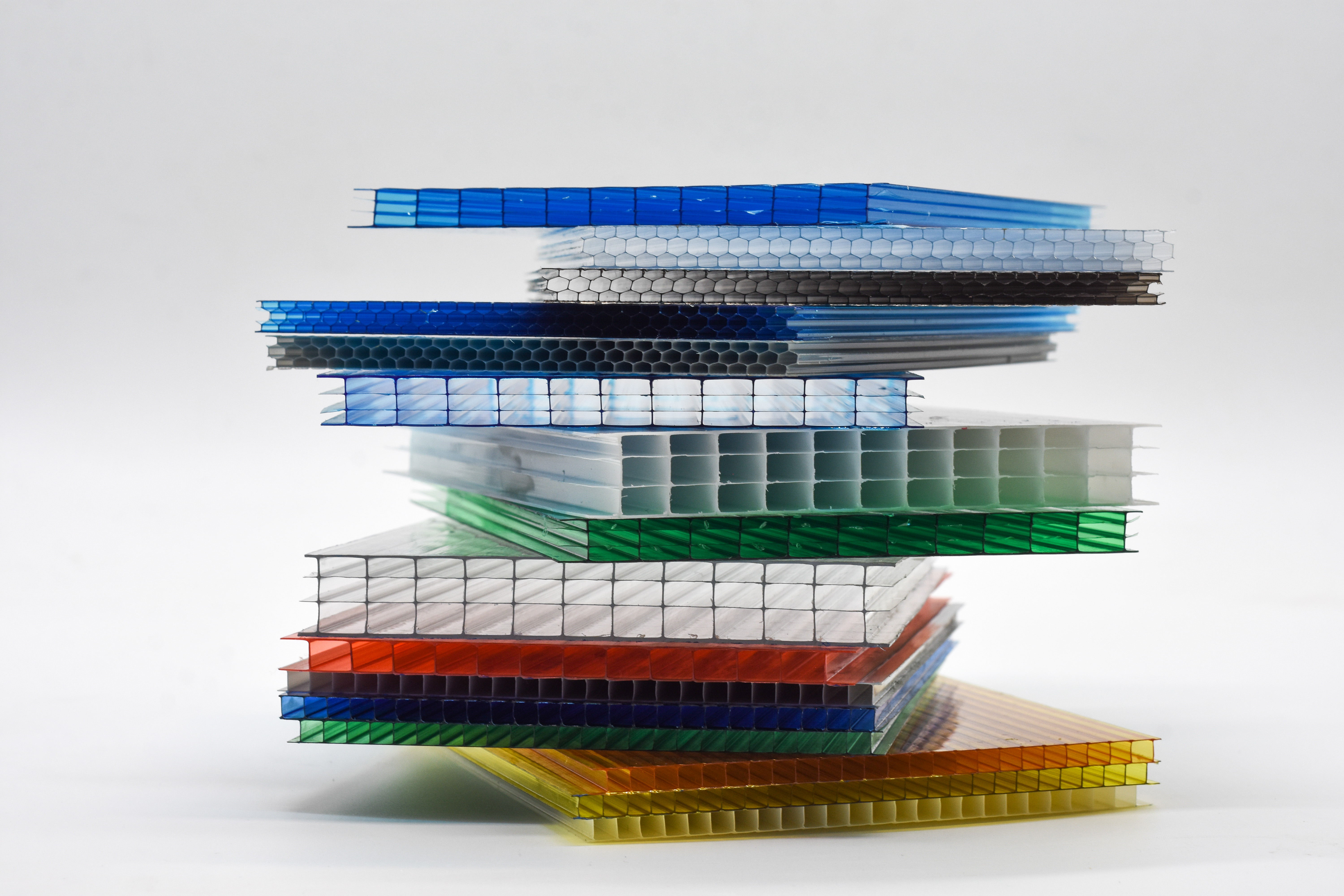
The interlocking air chambers in multiwall polycarbonate sheets form a maze-like barrier that blocks insect entry while maintaining 80â€91% light transmission. A 2022 University of Wageningen study found triple-wall configurations prevented 100% of test insects—including whiteflies and thrips—from penetrating greenhouse walls during 12-month trials.
Optimizing wall thickness (twin, triple, quad-wall) for maximum insect resistance
| Wall Thickness | Insect Blocking Efficiency* | Light Transmission |
|---|---|---|
| 4mm twin-wall | 86% | 82% |
| 6mm triple-wall | 97% | 78% |
| 8mm quad-wall | 99.5% | 73% |
| *Based on research from leading material scientists testing common greenhouse pests |
Thicker configurations significantly enhance insect resistance by increasing the complexity of the internal flute maze, making penetration nearly impossible even for the smallest pests.
Case study: Reduced insect presence in Dutch greenhouse clusters using multiwall polycarbonate sheets
A 32-acre greenhouse complex in Westland, Netherlands, reduced pesticide use by 68% after replacing aged glass panels with 10mm quad-wall polycarbonate sheets. Thermal imaging revealed a 72% decrease in insect entry points, while yield quality improved by 19% due to lower pest-related damage (Netherlands AgriTech Report 2023).
Sealing the Structure: Preventing Insect Access Through Gaps and Joints
Why Unsealed Air Gaps Invite Pests and Debris Into Enclosures
Even tiny gaps measuring just 1/16 inch in polycarbonate structures become major access points for pests like ants and flies, not to mention all sorts of airborne dirt and dust. Research published in 2023 by pest control experts shows an alarming statistic: around 8 out of 10 greenhouse infestations started right at those unsealed connection points where dampness builds up along with bits of plant material. This is different from regular plastic films which don't need such careful handling. When working with multiwall polycarbonate panels, installers must pay extra attention to getting proper seals everywhere because otherwise these microscopic openings turn into big problems down the road for anyone trying to maintain clean growing environments.
Using U-Channels and Foam Inserts to Seal Flute Ends Effectively
The hollow flutes of multiwall sheets must be sealed to prevent insect nesting. U-shaped aluminum channels combined with closed-cell foam inserts create compression seals that block entry without warping the panels. Industry research shows this method reduces cavity infestations by 91% compared to silicone-only sealing.
Integrating Vented Aluminum Tape at Ridge and Eave Joints
Vented aluminum sealing tapes solve a key challenge: balancing ventilation with pest exclusion. Micro-perforations allow 4â€6 CFM airflow while blocking insects larger than 0.04 inches. When applied to ridge caps and eaves, they prevent common infiltration by wasps and mites through standard overlap joints.
Case Study: Elimination of Wasp Nesting in Roof Cavities With Sealed Vent Tapes
A Midwest logistics hub eliminated $12k/year in wasp-related HVAC damage after retrofitting its polycarbonate roof with vented tape seals. Thermal imaging showed an 89% reduction in nesting hotspots post-installation, confirming the effectiveness of breathable sealing systems in curved roof designs.
Enhanced Protection Against Dust, Debris, and Airborne Pests
Dual-Function Barriers: How Multiwall Polycarbonate Blocks Insects and Particulates
Multiwall polycarbonate offers two layers of protection thanks to how it's built up in layers. What happens is the cell structure overlaps like puzzle pieces, creating something that works almost like a physical filter. It catches all sorts of stuff floating around including dust, pollen, even tiny particles measuring down to 0.3 microns which actually meets what industries require from their air filters. At the same time, bugs can't get through either. That combination works really well in places where keeping pests out matters just as much as clean air does. Greenhouses come to mind immediately, but also barns and other animal housing areas where maintaining good conditions is critical for health reasons.
Combining UV-Resistant Coatings with Edge Sealing for Holistic Environmental Protection
Polycarbonate that's stabilized against UV rays won't turn yellow or get brittle even after sitting through harsh weather conditions for around 10 years. Combine this material with properly sealed foam edges and those special U-shaped fasteners, and buildings can reach NEMA 12 standards which means they'll stand up pretty well against flying dirt and bugs that crawl in from outside. According to an industry report released last year, farms that switched to this combined approach saw their workers spend about a third less time cleaning during seasons when dust and pollen tend to build up, compared to places still using just one layer of protection.
Case Study: Poultry Farm in Arizona Reports 60% Drop in Mite Infestations Post-Installation
A large poultry farm outside Phoenix recently switched out old fiberglass panels for new quad-wall polycarbonate roofing along with sealing up all the sides. Eight months later, they noticed something interesting happening - the bird mites had basically disappeared, down around 60% from what they were before. At the same time, the overall health of the flock improved too, getting about 22% better according to their records. The farm owners believe it's because the new materials don't collect dust anywhere and make it harder for pests to get into the buildings. Looking at the bottom line, they've already gotten their money back within just 18 months thanks to spending less on those expensive acaricides and not having to maintain ventilation systems so often anymore.
Long-Term Hygiene and Maintenance Benefits in Agricultural and Commercial Settings
Reducing Pest-Related Damage and Lowering Maintenance Costs Over Time
Multiwall polycarbonate helps protect buildings from insect and rodent infestations that can cause serious damage over time. The material's tough, layered construction typically lasts between ten and twenty years without showing signs of wear, something traditional materials just cant match when faced with chewing pests or nesting animals. According to a recent 2023 study on facility maintenance, companies switching to these polycarbonate sheets saw their yearly repair bills drop by nearly 19% compared to older glass or plastic installations. What's even better? They reported needing almost two thirds fewer cleanups for pest related messes, which saves both money and frustration in the long run.
Creating a Hygienic Environment for Plants and Livestock Through Passive Pest Control
Sealed flutes and UV-resistant coatings prevent organic buildup—a known breeding ground for mites and pathogens—maintaining microbial levels below 25 CFU/cm² in controlled environments without chemical treatments. Dutch flower growers report 84% fewer pesticide applications after switching to multiwall systems, fostering safer conditions for pollinators and sensitive crops.
Balancing Initial Investment With Lifecycle Savings in Pest and Hygiene Management
Multiwall polycarbonate does cost around 15 to 20 percent more upfront compared to regular single pane options, but facility managers report getting back three times their investment within a decade thanks to fewer replacements needed and lower cleaning expenses. Buildings that integrate these panels into their Integrated Pest Management strategies typically see savings between $3.50 and $7 per square foot on pest control annually. The material just lasts so much longer that it transforms how facilities handle pest problems, moving them away from unpredictable emergency fixes toward budget friendly maintenance schedules that work better for everyone involved.
Frequently Asked Questions
What is the primary benefit of using multiwall polycarbonate sheets in agricultural settings?
Multiwall polycarbonate sheets primarily offer superior insect resistance due to their layered construction. They help reduce pest entries and thereby minimize pest-related crop damage, leading to healthier yields.
How do multiwall polycarbonate sheets help in pest control?
They use a maze-like structure, formed by interlocking air chambers, which creates a barrier against pests while maintaining high light transmission. Different wall thicknesses further enhance the complexity, making penetration nearly impossible even for the smallest insects.
Why is sealing important in polycarbonate structures?
Sealing is crucial to prevent pests and debris from entering through gaps and joints. Proper sealing ensures long-term hygiene, reduces infestation risks, and thereby decreases the need for chemical treatments.
How do facilities benefit economically from using multiwall polycarbonate sheets?
Despite a higher upfront cost, facilities benefit from reduced maintenance and pest control expenses over time, achieving significant lifecycle savings. The durable material also cuts down on replacements, contributing to cost-effectiveness in pest management strategies.
What are the advantages of combining UV-resistant coatings with edge sealing?
Combining UV-resistant coatings with edge sealing provides holistic environmental protection against both pests and degrading elements like dust and UV exposure, ensuring the longevity of the structure.
Table of Contents
-
How Multiwall Polycarbonate Sheets Block Insect Entry
- The growing problem of pest infiltration in agricultural enclosures
- Layered structure as a physical barrier against insects
- Optimizing wall thickness (twin, triple, quad-wall) for maximum insect resistance
- Case study: Reduced insect presence in Dutch greenhouse clusters using multiwall polycarbonate sheets
- Sealing the Structure: Preventing Insect Access Through Gaps and Joints
- Enhanced Protection Against Dust, Debris, and Airborne Pests
- Long-Term Hygiene and Maintenance Benefits in Agricultural and Commercial Settings
-
Frequently Asked Questions
- What is the primary benefit of using multiwall polycarbonate sheets in agricultural settings?
- How do multiwall polycarbonate sheets help in pest control?
- Why is sealing important in polycarbonate structures?
- How do facilities benefit economically from using multiwall polycarbonate sheets?
- What are the advantages of combining UV-resistant coatings with edge sealing?