
 EN
EN
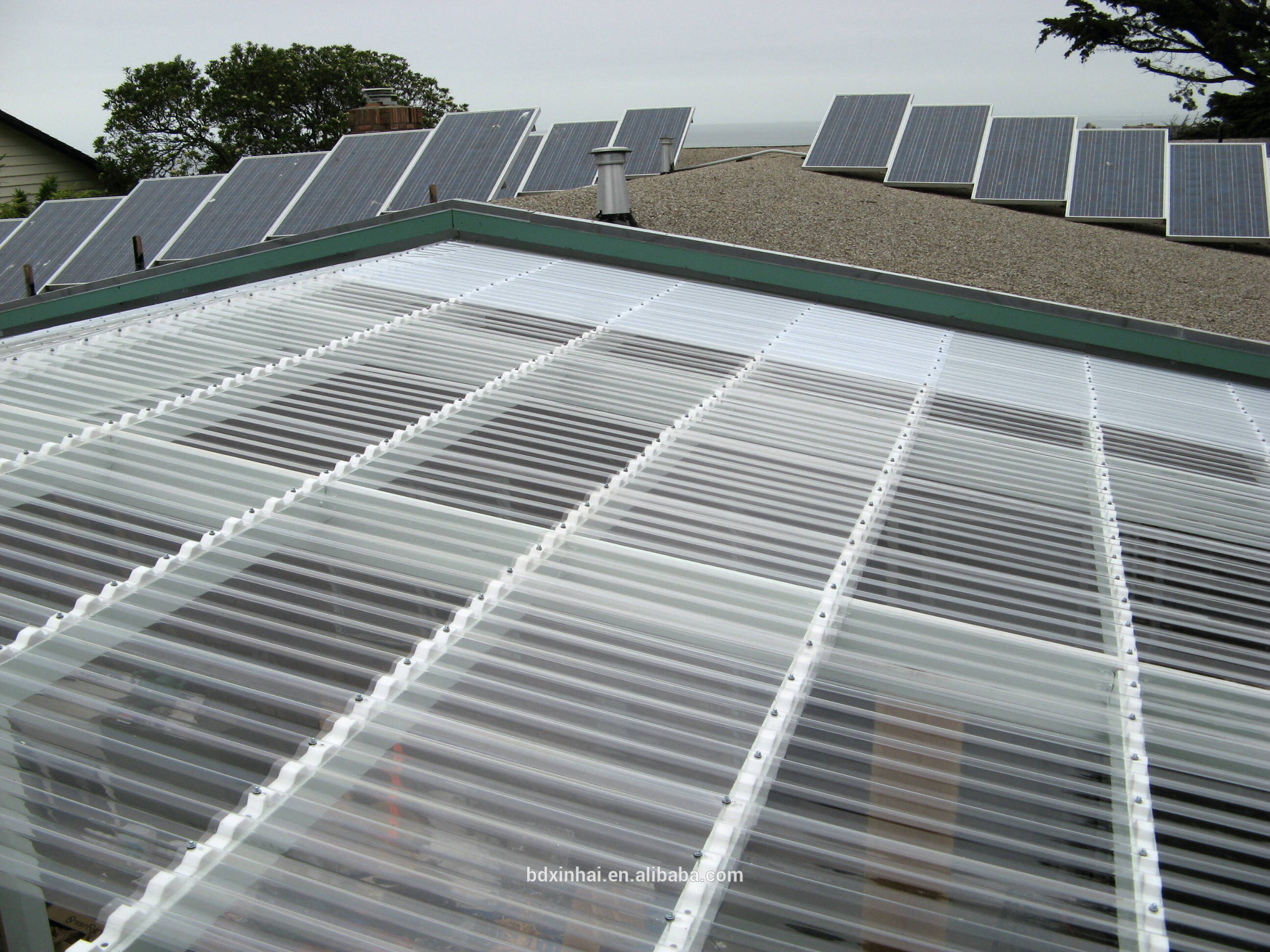
How Polycarbonate Achieves High Light Transmission and Optical Clarity
Science Behind Polycarbonate’s Visible Light Transmission
Polycarbonate lets through about 90% of visible light, similar to what we see with regular glass. This happens because of how the molecules are arranged in an amorphous pattern rather than crystalline structures found in many materials. The arrangement reduces scattering so light passes through pretty much without getting distorted too much. When looking at numbers, polycarbonate has around 1.58 as its refractive index value, which means light moves through this stuff really efficiently compared to other plastics out there on the market today. That makes it great choice when someone needs something clear yet tough enough for various purposes. What sets polycarbonate apart from traditional glass though is that being thermoplastic gives manufacturers better control over things like how thick sheets should be made and ensuring surfaces remain smooth during production processes. All these factors contribute to improved optical properties overall.
Measuring Clarity: Light Diffusion, Haze, and Glare in Transparent Canopies
Polycarbonate sheets designed for high performance keep their haze level under 2 percent according to ASTM D1003 standards, which means they don't distort vision much at all. The manufacturing process now includes special co-extrusion techniques where tiny particles are added throughout the material. These microscopic elements help cut down on glare by about eighty percent when compared with regular glass or plastic glazing options. When used for daylighting purposes, such as skylights or overhead panels, these materials let through around ninety two percent of what's called Photosynthetically Active Radiation or PAR for short. At the same time, they stop almost all ultraviolet radiation from getting through, which is really important both for people inside buildings who want comfortable lighting conditions and also for preserving the lifespan of interior materials exposed to sunlight over time.
Real-World Performance: Daylighting Efficiency in Commercial Installations
Research from 2023 looked at shopping centers and discovered something interesting about polycarbonate skylights cutting down on electric lights throughout the year by around 30 to 40 percent. When warehouses installed those 10mm multiwall panels, they got pretty even lighting covering most of the floor area, hitting between 500 and 700 lux levels in nearly all spots. This met the EN 12464-1 standards for work environments without creating any bright or dark patches. For buildings near the coast, these materials kept looking clear for years too. After being exposed to sunlight for five whole years, they still had about 89% of their original transparency, which is actually 35% better than what acrylic options manage over the same time frame.
Strategy: Selecting High-Clarity Sheets for Maximum Natural Light
- Surface Coatings: Specify co-extruded UV-resistant layers to maintain >88% light transmission after ten years of outdoor exposure
- Sheet Geometry: Use prismatic or opal finishes only where diffusion is needed, such as in greenhouse or healthcare settings
- Thickness Optimization: 4–6mm sheets offer an optimal balance between light transmission (85–91%) and structural integrity for most canopy spans
- Maintenance Protocols: Annual cleaning with pH-neutral solutions helps preserve surface micro-roughness below 0.2µm, sustaining long-term clarity
This evidence-based approach to selection and maintenance ensures polycarbonate canopies deliver superior optical performance under environmental stress–outperforming traditional glazing materials.
Balancing Light Transmission with UV Protection in Outdoor Applications
Polycarbonate canopies achieve an exceptional balance between high light transmission and UV protection through advanced material engineering. By blocking over 99% of harmful UV radiation while maintaining up to 90% visible light transmission, they provide safer, more durable alternatives to glass and acrylic in demanding environments.
How Polycarbonate Blocks Harmful UV Radiation Without Reducing Visibility
Polycarbonate inherently absorbs ultraviolet wavelengths below 380 nm at the molecular level. Manufacturers enhance this property by integrating nano-scale UV absorbers during extrusion. Unlike tinted materials that diminish overall brightness, these additives selectively target UV-A and UV-B rays while allowing 88–92% of visible light to pass unimpeded.
Co-Extruded UV Layer Technology: Maintaining Clarity While Enhancing Safety
Modern polycarbonate sheets feature a 50-micron co-extruded UV-resistant layer chemically bonded to the core. This technology:
- Blocks 99.9% of UV radiation (tested per ASTM G154)
- Maintains ¤2% haze, preserving optical clarity on par with annealed glass
Independent weathering tests confirm these sheets retain 95% of initial light transmission after 10 years in subtropical climates.
Performance in Harsh Climates: UV Resistance in Coastal and High-Sun Regions
In desert regions receiving over 3,500 annual sunlight hours, UV-stabilized polycarbonate shows less than 3% change in yellowness index after five years–significantly better than acrylic, which degrades by 12–15%. Coastal installations benefit from integrated salt-fog resistance, maintaining 91% light transmission where conventional materials develop permanent clouding within 24 months.
Transparent Polycarbonate vs. Traditional Materials: Functional and Aesthetic Benefits
Optical Performance Compared to Glass, Acrylic, and Metal Roofing
Polycarbonate transmits up to 90% of visible light, matching glass in clarity while surpassing acrylic (88%) and metal roofing (0% permeability). Unlike glass, which reflects 4–6% of incident light, polycarbonate’s refractive index (1.58) reduces glare. After 10 years outdoors, polycarbonate retains 94% of its optical clarity, compared to acrylic’s 78% due to UV-induced yellowing.
Design Flexibility: Integration into Biophilic and Sustainable Architecture
Polycarbonate is way tougher than glass actually around 200 times stronger which means architects can build thinner frames while still getting those clear views needed for daylighting projects. Many designers turn to this material when working on buildings certified under the WELL standard because it lets through about 83% of visible light. That translates to needing roughly 40% less electric lighting in office spaces according to some studies we've seen. Plus, polycarbonate bends really well so it works great for creating those curved shapes required for green walls and systems that collect rainwater something just not feasible with regular glass panels or metal sheets.
Case Study: Retail and Public Spaces Leveraging Visibility and Ambiance
A shopping center in Scandinavia swapped out their glass skylights for 8mm multiwall polycarbonate canopies. This change gave them pretty much consistent lighting around 750 lux throughout the space while also cutting down on heating and cooling demands. The frosted surface helped get rid of those annoying solar hotspots that happen with regular glass, making the displays look more like art galleries without worrying about UV damage ruining products. After installing these new canopies, they did some surveys and found something interesting: about two thirds of shoppers started describing the area as having a "natural warmth" feel to it. That's actually a 22 point jump compared to what people thought about the old metal roof sections before the upgrade.
Choosing the Right Finish: Clear, Tinted, Frosted, and Opal Polycarbonate Options
Aesthetic and Functional Differences Between Surface Finishes
Polycarbonate sheets that are clear can let through as much as 90% of visible light, which makes them great choice when maximum daylight is needed, think greenhouses or those big glass skylights we see nowadays. When it comes to tinted versions, they cut down on solar heat gain by around 30%, according to Green Building Institute research from 2023, while still letting through about 70 to 80% of the light. These work well in places like shopping centers where there's lots of sun exposure but people want some control over temperature. Frosted surfaces spread out the light nicely without creating too much haze, usually staying under 15%, so offices with partition walls get nice even lighting throughout. Then there's opal polycarbonate that gives us roughly 50 to 60% light transmission along with gentle diffusion properties. This type strikes a good balance between enough brightness and necessary privacy requirements in hospital settings and similar spaces where both factors matter.
Case Study: Uniform Lighting in Educational Facilities Using Opal Polycarbonate
Research from 2023 looking at K-12 classroom environments showed something interesting about ceiling materials. When schools switched from clear acrylic panels to opal polycarbonate ceilings, they saw a pretty significant drop in glare problems – around 40% less than before. What's even better? These new ceilings still let through about 72% of natural light, so students weren't sitting in darkness either. One real world example comes from a school in Seattle where they installed 8mm thick opal sheets during renovations. The result? Digital learning stations became much more comfortable to use since there were no more glaring hotspots. Teachers noticed too that those annoying harsh shadows disappeared completely. Looking at the numbers, these ceilings achieved what lighting experts call "illuminance uniformity ratios" between 0.82 and 0.89, which falls right within the recommended range of 0.70 to 1.00. So basically, choosing the right ceiling material isn't just about looks anymore – it actually makes a big difference for both how comfortable students feel visually and how efficiently buildings use energy.
Solid vs. Multiwall Polycarbonate Sheets: Matching Structure to Application Needs
Optical Clarity vs. Thermal Insulation: Key Trade-offs by Sheet Type
Polycarbonate sheets transmit around 90% of visible light, which is pretty much the same as regular glass, so they work great for things like skylights or greenhouse panels when clear visibility is important. The downside though? These solid sheets aren't very good at keeping heat out or in because they only have one layer, with an R-value somewhere between 0.7 and 1.0. That changes when we look at multiwall versions instead. These sheets have anywhere from 2 to 6 air pockets inside, which gives them better insulation properties (around R-1.5 to R-2.8) but means they let through about 10-15% less light than the solid ones. For places where temperature control matters a lot, like atriums or sunrooms, this extra insulation can really cut down on heating and cooling expenses over time.
Case Study: Airport Shelters Using Multiwall Sheets for Balanced Performance
A major international airport replaced glass with 16mm 5-wall polycarbonate for terminal canopy systems. The multiwall design provided 82% daylight transmission and a U-factor of 0.30, reducing annual HVAC loads by 18%. With a strength-to-weight ratio 150 times higher than glass, the material simplified installation across a 500-meter span.
Selection Guide: Location, Orientation, and Usage Patterns
Consider three key factors when selecting sheet types:
- Coastal/high-UV zones: Choose co-extruded UV-resistant multiwall sheets that block 99% of UV-A/B radiation to prevent yellowing
- South-facing installations: Use frosted solid sheets to minimize glare while retaining 85% light diffusion
- High-traffic commercial canopies: Multiwall’s impact resistance (30x higher than glass) makes it ideal for airports and stadiums; solid sheets are better suited for residential pergolas where aesthetics are paramount
For seasonal climates, twinwall sheets (4mm) offer a balanced solution with 78% light transmission and R-1.6 insulation, supporting year-round thermal and luminous comfort.
FAQ
What is the main advantage of using polycarbonate sheets over regular glass?
Polycarbonate sheets offer high light transmission and optical clarity, similar to glass, but with the added benefits of enhanced durability and UV protection, making them ideal for outdoor applications.
How does polycarbonate block UV radiation?
Polycarbonate inherently absorbs UV wavelengths below 380 nm at the molecular level. Manufacturers enhance this property by integrating nano-scale UV absorbers during extrusion, ensuring high UV protection without reducing visibility.
Can polycarbonate sheets be used in harsh climates?
Yes, polycarbonate sheets perform well in harsh climates, showing minimal degradation in UV stability and preserving high light transmission even in desert and coastal regions.
How do different finishes affect polycarbonate sheets?
Different finishes, such as clear, tinted, frosted, and opal, offer varying light transmission and diffusion properties, suited for diverse applications ranging from greenhouses to educational facilities.
What is the impact of UV-resistant layers on polycarbonate sheets?
UV-resistant layers enhance safety by blocking harmful UV radiation while maintaining clarity, making polycarbonate sheets a durable alternative to traditional materials for skylights and outdoor canopies.
How to choose between solid and multiwall polycarbonate sheets?
Selection depends on the application needs. Solid sheets offer high optical clarity, while multiwall versions provide better thermal insulation, suitable for spaces where temperature control is crucial.
Table of Contents
- How Polycarbonate Achieves High Light Transmission and Optical Clarity
- Balancing Light Transmission with UV Protection in Outdoor Applications
- Transparent Polycarbonate vs. Traditional Materials: Functional and Aesthetic Benefits
- Choosing the Right Finish: Clear, Tinted, Frosted, and Opal Polycarbonate Options
- Solid vs. Multiwall Polycarbonate Sheets: Matching Structure to Application Needs
- Optical Clarity vs. Thermal Insulation: Key Trade-offs by Sheet Type
- Case Study: Airport Shelters Using Multiwall Sheets for Balanced Performance
- Selection Guide: Location, Orientation, and Usage Patterns
-
FAQ
- What is the main advantage of using polycarbonate sheets over regular glass?
- How does polycarbonate block UV radiation?
- Can polycarbonate sheets be used in harsh climates?
- How do different finishes affect polycarbonate sheets?
- What is the impact of UV-resistant layers on polycarbonate sheets?
- How to choose between solid and multiwall polycarbonate sheets?