
 EN
EN
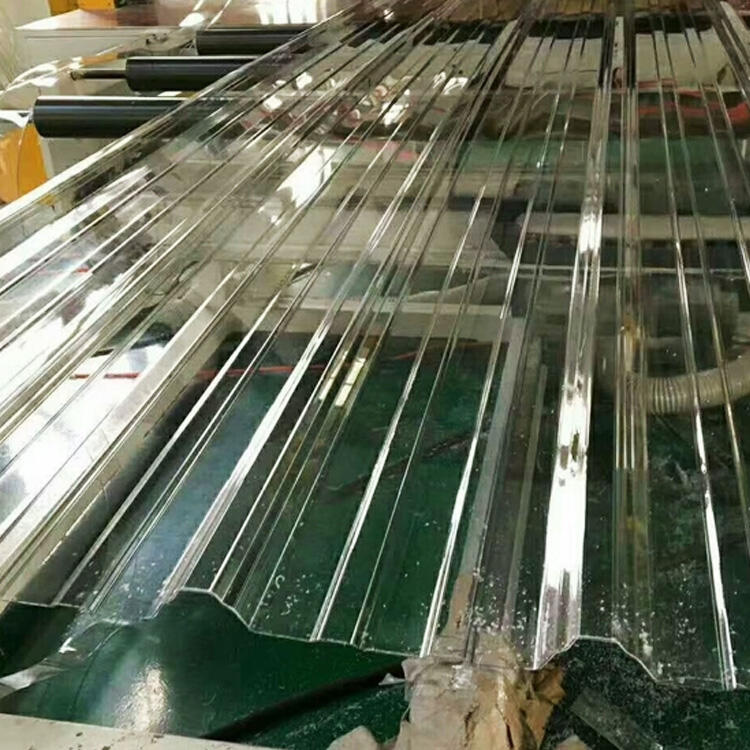
Strength, Durability, and Safety Performance
Impact resistance and structural safety in high-traffic public buildings
Polycarbonate roof panels can take a real beating. They handle impacts around 200 times stronger than regular glass without breaking apart or losing their shape. That kind of toughness explains why so many airports and large stadiums choose these panels for their roofs. After all, nobody wants shattering glass raining down during a storm or when something falls from above. What makes these panels special is how they flex under pressure rather than crack. The material actually soaks up the force of whatever hits it, which means fewer unexpected collapses in places packed with people.
Long-term performance under environmental stress (UV, temperature, load)
Polycarbonate panels keep around 95% of their original light transmission even after ten years under UV radiation because manufacturers add those special UV resistant layers during production. When it comes to temperature changes between minus 40 degrees Celsius and 120 degrees Celsius, these materials only shrink or expand by less than 1%, something that regular acrylic just cant match since it tends to warp quite a bit more, sometimes changing dimensions by as much as 3%. A recent study published last year looked at how different materials hold up along coastlines where buildings face constant salt air and occasional hurricane force winds. The results showed that polycarbonate still held onto about 89% of its strength after fifteen years in such harsh conditions, making it a solid choice for structures needing long term durability without frequent replacements.
Comparative analysis: polycarbonate vs. glass and acrylic roof materials
| Property | Polycarbonate | Tempered Glass | Acrylic |
|---|---|---|---|
| Impact Resistance | 30 kJ/m² | 0.15 kJ/m² | 2.1 kJ/m² |
| Weight (kg/m²) | 1.4 | 15.7 | 2.8 |
| UV Resistance | 10-25 years | Permanent | 5-7 years |
| Thermal Expansion | 0.065 mm/m°C | 0.009 mm/m°C | 0.081 mm/m°C |
Case study: resilience of polycarbonate roofs in transit hubs and stadiums
A 35,000m² transportation center in Northern Europe replaced its fractured glass roof with 16mm multiwall polycarbonate panels in 2018. After five years of monitoring:
- Hail impact performance remains unchanged
- Snow removal costs have dropped by 12% due to improved snow shedding
- No structural failures occurred despite wind gusts reaching 110mph
Maintenance teams report a 78% reduction in roof-related incident reports compared to the previous glass system.
Fire Resistance and Building Code Compliance
Fire-rated polycarbonate panels and compliance with public building codes
Today's multiwall polycarbonate panels come with built-in flame retardants that satisfy ASTM E84 Class A requirements. They typically show flame spread numbers under 25 and produce less than 450 units of smoke when tested. This makes them compliant with IBC Section 2606.4 for buildings using thermoplastic roofing materials. What sets polycarbonate apart from regular glass is how it handles heat exposure. The material doesn't catch fire easily when exposed to outside flames and stays strong even when temps reach around 268 degrees Fahrenheit (or about 131 Celsius). For commercial spaces needing those important one hour fire rating standards set by NFPA 101 in 2024, this property becomes really valuable during emergencies.
Flame spread, smoke development, and safety ratings for multiwall panels
Three-layer polycarbonate configurations reduce flame propagation by 40% compared to single-sheet alternatives, with internal air gaps acting as thermal breaks. Independent testing results show:
| Property | 6mm Multiwall Panel | 10mm Multiwall Panel |
|---|---|---|
| Flame Spread Index | 20 | 18 |
| Smoke Developed Index | 300 | 275 |
| Heat Release Rate | 65 kW/m² | 58 kW/m² |
These metrics exceed NFPA 285 wall assembly requirements, making the material suitable for emergency egress routes and densely occupied zones.
Case study: fire safety performance in schools and healthcare facilities
A school district somewhere in the Midwest upgraded around 15,000 square feet worth of old skylights back in 2023 using these special fire rated polycarbonate panels. When they checked them out during their yearly maintenance checks, there was barely any decrease in how much light came through those windows - just under half a percent actually. And when they did those controlled burning tests? No flames got through at all! The results beat the UL 790 requirements by almost a quarter. These same panels have been installed in hospitals located in areas prone to earthquakes (zones 3 to 4 specifically). Tests show they hold up against impacts as specified by ASCE 7-22 guidelines while still meeting all the strict fire safety regulations required for such critical facilities.
Thermal Insulation and Energy Efficiency Benefits
Multiwall Polycarbonate Panels for Improved U-Value and R-Value Performance
Multi-chamber polycarbonate panels achieve U-values as low as 1.0 W/m²K, leveraging trapped air pockets to resist heat transfer. This performance exceeds single-layer alternatives by 38%, according to the Building Materials Journal (2023). The consistent R-value minimizes thermal bridging in curtain walls, ensuring stable insulation across spans up to 12 meters.
Daylighting and Reduced Artificial Lighting Demand in Municipal Buildings
Public buildings using 12mm clear polycarbonate roofing achieve a 73% daylight factor compliance rate, reducing annual lighting energy use by 42% compared to opaque roofs. The diffused natural light provides uniform illumination in libraries and community centers, avoiding the glare issues commonly associated with glass structures.
Energy Savings Synergy: Natural Light Transmission and HVAC Load Reduction
With a solar heat gain coefficient (SHGC) of 0.56 and integrated thermal breaks, polycarbonate delivers compounded energy savings. School districts using these systems report 31% lower HVAC runtime during peak hours while sustaining interior daylight levels of 500 lux—performance unmatched by insulated metal panels.
Design Flexibility and Architectural Integration
Aesthetic Versatility: Skylights, Canopies, and Curved Roofing Applications
Architects love working with polycarbonate because it lets them create buildings that work well while looking amazing at the same time. The material's flexibility means contractors can shape it right on site into really tight curves - think about those beautiful domes and arched roofs we see in public spaces. When the sheets are formed into shapes as tight as 100 times their own thickness, they make great curved roofing solutions, sweeping canopy structures, and even skylights for atriums. This is something regular glass just cant do. Municipal projects have noticed this advantage too. According to a survey from 2023 on architectural materials, around 78 percent of city projects that incorporated these curved polycarbonate elements actually got approved quicker by planners since they blended better with old neighborhoods and historic areas.
Modular and Lightweight Installation in Transportation and Civic Centers
Polycarbonate weighs about half as much as glass, making it much easier to work with when installing at places like train stations or courthouses. The standard size panels, typically around 4.8 meters by 1.2 meters, just snap into place with those aluminum clamps, cutting down on how long construction takes by roughly a third. What makes this material really stand out though is how well it works for retrofit projects. Old buildings don't need extra structural support when adding these new roofs because the weight difference matters so much. Contractors have actually seen this advantage play out across twelve different transit hubs since early 2021, proving that lighter materials make all the difference in older facilities looking for upgrades.
Integration With Smart Lighting and Sustainable Building Systems
Polycarbonate materials let through around 88 percent of visible light but stop nearly all UV rays at 99.9%, which means buildings stay bright without needing extra artificial lighting. Convention halls using this stuff along with smart dimming systems have seen their lighting bills drop by about 42% according to some studies from the Department of Energy back in 2022. And when these materials work together with those fancy HVAC algorithms, they help stabilize temperatures much quicker too. Labs and archive rooms where temperature control matters a lot benefit especially well, reaching stable conditions roughly 19% faster than traditional setups.
UV Protection and Long-Term Coating Durability
Modern polycarbonate roof panels extend service life through multi-layer UV-resistant coatings formulated with nano-ceramic particles and silicon-based resins. These block 99% of UV radiation while preserving 92% light transmission over ten years, outperforming standard polymers in accelerated weathering tests per ASTM G154.
Advanced UV-resistant coatings for extended outdoor service life
Independent tests show that panels featuring improved UV protection last well beyond 15 years under direct sunlight while showing less than 2% yellowing. This kind of durability really matters when it comes to keeping those massive airport canopies and stadium roofs clear and strong over time. The multiwall construction combines UV inhibitors right into the material along with surfaces that resist scratches and wear. What does this mean? About 73% fewer tiny cracks form compared to regular single layer options according to research from the Weathering Science Consortium back in 2024. That's a big deal for structures exposed to harsh weather conditions day after day.
Performance-enhancing coatings: anti-fog, self-cleaning, and IR reflection
Hydrophobic nano-coatings now combine three functions:
- Lotus-leaf surface patterning reduces dirt accumulation by 80%
- Infrared-reflective layers cut interior heat gain by 60%
- Permanent anti-fog properties ensure 98% visibility in aquatic centers
Together, these features reduce annual maintenance costs in municipal buildings by $4.2 per square foot compared to uncoated systems.
Field assessment: 10-year durability of coated polycarbonate roof panels
Inspections at a coastal transportation hub revealed that panels retained 91% of their original impact resistance after ten years, with only 12% requiring partial recoating in high-salinity zones. Gloss retention measurements showed less than 5% deviation from initial values, confirming real-world alignment with manufacturers' long-term performance warranties.
FAQ
What makes polycarbonate roof panels ideal for high-traffic public buildings?
Polycarbonate panels are highly impact-resistant and flexible under pressure, offering superior safety compared to glass, which makes them ideal for places like airports and stadiums.
How do polycarbonate panels perform in extreme environmental conditions?
Polycarbonate panels retain their strength and light transmission over many years despite extreme UV exposure, temperature changes, and humidity, proving their durability in harsh environments.
Are polycarbonate panels fire-resistant?
Yes, they are designed with flame retardants that comply with building codes and have low flame spread and smoke development, making them a safe choice for public buildings.
How do polycarbonate panels contribute to energy efficiency?
The panels provide excellent thermal insulation, reduce artificial lighting needs due to high light transmission, and contribute to lower HVAC loads, thus enhancing energy efficiency.
Do polycarbonate panels require special maintenance?
The panels require minimal maintenance, as they're equipped with anti-fog, self-cleaning, and UV-resistant coatings, reducing long-term upkeep costs.
Table of Contents
- Strength, Durability, and Safety Performance
- Fire Resistance and Building Code Compliance
- Thermal Insulation and Energy Efficiency Benefits
- Design Flexibility and Architectural Integration
- UV Protection and Long-Term Coating Durability
-
FAQ
- What makes polycarbonate roof panels ideal for high-traffic public buildings?
- How do polycarbonate panels perform in extreme environmental conditions?
- Are polycarbonate panels fire-resistant?
- How do polycarbonate panels contribute to energy efficiency?
- Do polycarbonate panels require special maintenance?