
 EN
EN
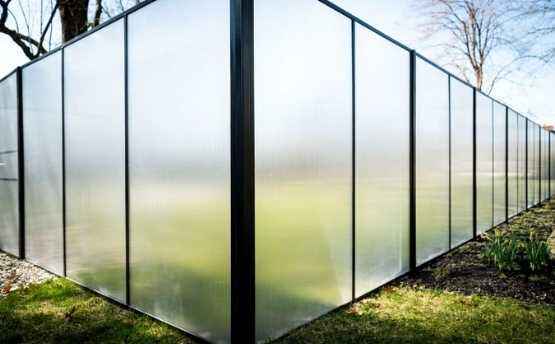
Why Choose a Polycarbonate Fence for Commercial and Industrial Sites?
Polycarbonate fencing offers better security and lasts much longer than regular chain link or wooden fences at commercial sites. The material can take a real beating too since it's about 250 times tougher than glass, so even if forklifts bump into it or someone tries to break through, the fence stays intact. Regular metals just don't hold up in places where chemicals are used heavily or near saltwater areas along coasts. Polycarbonate fencing keeps working properly for around 15 years without needing much fixing up. It also resists turning yellow or getting brittle when exposed to sunlight for long periods, which means no more spending money on repainting steel every few years. Warehouses that rely on good visibility need this kind of fencing because the clear panels let workers see what's happening without any obstructions, yet they still form a solid wall against intruders. Installing these fences is faster too since the modular system works well with current security setups like gate systems and camera networks. We've seen installations cut down by roughly 40% compared to pouring concrete walls. All these benefits mean businesses save about 30 to 35% on overall costs over ten years, plus the fencing meets those tough ASTM crash test standards required for securing dangerous areas.
Key Performance Advantages of Polycarbonate Fence Materials
Impact Resistance and Structural Integrity
Polycarbonate fencing is really tough stuff when it comes to impacts. We're talking about something that's roughly 250 times stronger than regular glass and about 30 times tougher than acrylic panels. That means it holds up remarkably well against everything from accidental bumps to deliberate damage or random collisions. The material itself works differently from what we usually see. Instead of breaking like glass or denting like metal, this plastic actually soaks up the force of impacts without cracking or shattering. Tests show it can handle pressures over 900 psi according to ASTM standards, which makes sense why many security installations prefer it for their boundaries. And let's not forget the money aspect either. Over ten years, property owners typically spend around 60 percent less on replacements compared to other fencing options, making it both durable and economically sensible choice for long term use.
Weather Resistance and UV Stability
Polycarbonate fences are designed to handle tough conditions, with special UV inhibitors built right into them that stop problems like yellowing, getting brittle, or breaking down when exposed to sunlight. These fences keep their clear appearance and stay strong even when temperatures swing between -40 degrees Fahrenheit all the way up to 240 degrees F (-40C to around 116C). Tests show they beat both PVC and wood materials hands down when put through fast weathering simulations. What makes these fences stand out is their surface that naturally repels water, snow, dirt, and other stuff that might stick to regular materials. Plus, they don't corrode easily from chemicals found near factories or industrial areas. Lab results actually show something pretty impressive too: after spending over 5,000 hours under intense UV light according to standard testing methods, there was less than half a percent change in size. That means these fences can last for many years without needing repairs or replacements, which is great news especially if installed along coastlines where salt air attacks most materials or anywhere with lots of direct sunshine.
Installation, Maintenance, and Long-Term Cost Efficiency of Polycarbonate Fence Systems
Modular Installation and Compatibility with Existing Infrastructure
Polycarbonate fences come with interlocking panels and ready-made posts that make installation fast and straightforward. The way these systems are designed makes it much easier to work with what's already there on site, whether it's old concrete footings, security gates, or other boundary features around the property. Contractors report saving about 40 percent of their usual labor hours when compared to installing traditional metal fences. We're talking about panels that weigh just around 1.3 to 1.5 kilograms per square meter, so no need for cranes or big equipment. Plus, those adjustable brackets handle all sorts of ground conditions without needing special parts made on demand.
Low-Maintenance Operation and Lifecycle Cost Savings
Steel and wood fences need constant attention every year with repainting jobs or anti-rust treatments, but polycarbonate fences just keep standing strong for around 15 to 20 years with hardly any work needed at all. These fences are made with special UV protection that stops them from fading away or cracking under sun exposure, plus they don't break down when chemicals get on them. Homeowners typically save between 20% and 30% each year on maintenance expenses because of this. And since these fences last about twice as long as regular galvanized steel options, property owners end up saving more than $35 for every foot of fence installed when looking at costs over twenty years instead of just initial purchase price.
Applications and Compliance: Where Polycarbonate Fence Meets Industry Standards
Use Cases in Logistics Hubs, Manufacturing Facilities, and Secure Perimeters
Polycarbonate fencing works really well in places with lots of foot traffic such as logistics centers because it can take hits from forklifts and all that heavy cargo movement without getting damaged. When looking at manufacturing plants, this material stands up pretty good against chemicals too. It handles those industrial solvents and temperature changes day after day without breaking down. The clear nature of polycarbonate makes it great for security around things like data centers or power stations. People can see what's going on through the fence while still having something solid that stops unauthorized access. That combination of being able to watch an area closely and keeping it protected is exactly why so many important facilities choose this type of fencing when they need something tough but also want to keep an eye on operations happening in real time.
Meeting ASTM, ISO, and Local Safety and Security Regulations
These polycarbonate systems tick all the boxes when it comes to safety standards, meeting ASTM F2656-20 for resisting vehicle impacts and ISO 1461 for protecting against corrosion. Local building regulations regarding fire safety and wind loads are covered as well. When installed at critical locations like energy substations, these systems work hand in hand with Critical Infrastructure Protection (CIP) guidelines. They incorporate features that discourage forced entry attempts and integrate smoothly with existing access control systems. This alignment helps cut down on potential regulatory headaches and saves money by preventing expensive retrofitting later down the line.
FAQ Section
Why is polycarbonate fencing preferred over traditional options?
Polycarbonate fencing is preferred for its high durability, impact resistance, weather resistance, and economic advantages over time.
Can polycarbonate fences handle extreme weather conditions?
Yes, these fences have UV inhibitors and can withstand temperature swings from -40 to 240 degrees Fahrenheit.
How is the installation of polycarbonate fencing faster and more cost-effective?
Installation uses interlocking panels and pre-made posts, reducing labor and equipment needs and saving time.
Are polycarbonate fences compliant with safety regulations?
Yes, they meet ASTM, ISO standards, and comply with local safety and security regulations.