
 EN
EN
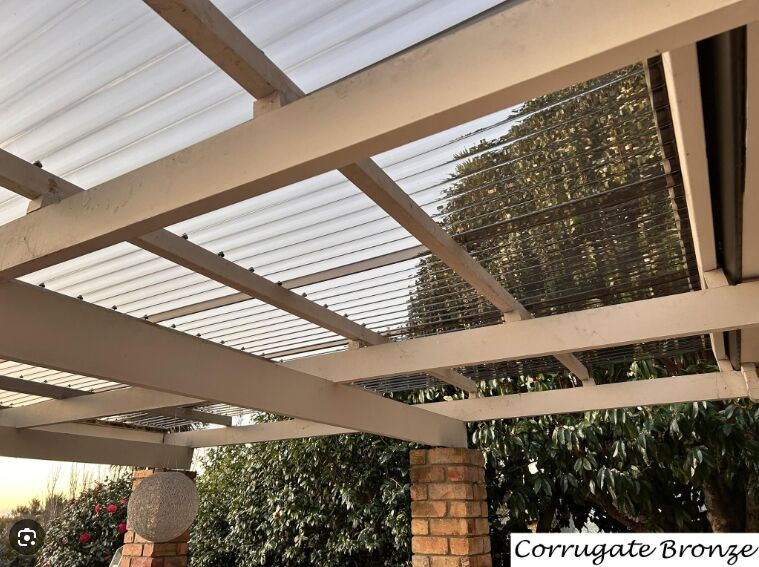
The Evolution and Growing Role of Polycarbonate Roofing Sheets
From Industrial to Architectural: The Shift in Polycarbonate Roofing Applications
Polycarbonate sheets started out as something mainly found in factories for skylights and big warehouse roofs, but today they're everywhere in contemporary architecture. Why? Well, according to that 2023 Roofing Innovation Report we all keep hearing about, these sheets can take impacts 87% better than regular glass while weighing in at just 40% of what traditional materials do. That's pretty impressive when considering how much damage weather can cause over time. Architects love specifying those multiwall polycarbonate panels for all sorts of things now - think about those beautiful see-through walls on office buildings, those durable canopies covering train stations and shopping centers, even greenhouses that actually save energy instead of wasting it. People want materials that look good but also stand up to whatever Mother Nature throws their way.
Innovations in Polycarbonate Glazing Systems Enhancing Modern Design
The latest glazing tech is starting to incorporate UV blocking layers right inside polycarbonate sheets, which cuts down on solar heat gain quite dramatically—around 53% according to Building Materials Journal from last year. The ribbed and fluted patterns not only help scatter sunlight but also keep things thermally efficient. We're seeing this applied in some interesting ways these days, like those self shading atrium roofs that adjust automatically to sunlight levels, plus noise dampening solutions for busy airport terminals where sound control matters a lot. Even garden rooms with frost resistant properties are becoming possible thanks to these improvements. As buildings strive toward net zero goals, polycarbonate materials are increasingly showing up in blueprints across the construction sector because they offer both performance and sustainability benefits that traditional glass just can't match.
Is Polycarbonate Replacing Glass Too Rapidly? Balancing Trends and Practicality
Polycarbonate usage has been increasing by around 12 percent each year according to recent construction industry reports from 2024, though there are ongoing worries about how it holds up under prolonged exposure to sunlight and maintains its clear appearance over time. Mixing tempered glass panels with polycarbonate frames creates a system that cuts costs by approximately 30% compared to using only glass components, yet keeps most of the desired transparency properties intact. When deciding what materials to use, practical considerations matter a lot. Polycarbonate works great for areas where something might hit hard, like building exteriors or sports facilities. But when it comes to places needing protection against scratches or where visual accuracy matters most, such as display cases or laboratory equipment, traditional glass remains the better choice despite being more expensive upfront.
Design Flexibility and Advanced Shaping Techniques for Polycarbonate Roofing Sheets
Thermoforming and Cold-Bending: Enabling Complex Curves with Polycarbonate
Polycarbonate sheets work great when bent cold right at the job site or shaped using heat into all sorts of things like domes and those tricky custom angles we often need. The flexibility of these materials really helps architects create those flowing designs such as arched awnings and interesting geometric facades. Fabrication times drop quite a bit too maybe around 40% faster than what we get with more rigid options. When heated to somewhere between 150 and 160 degrees Celsius during thermoforming, the sheets take shape just right while still keeping their UV protection intact even when installed in curves and bends.
Adapting Multiwall and Corrugated Polycarbonate Sheets for Residential and Commercial Structures
| Sheet Type | Best Applications | Key Benefits |
|---|---|---|
| Multiwall | Skylights, greenhouse roofs | Superior thermal insulation (R-value 1.8–2.5) |
| Corrugated | Industrial roofs, patio covers | High load capacity (up to 150 PSF snow load) |
Both types offer structural performance and design versatility, weighing 70% less than glass. A 2023 thermal performance study found multiwall sheets reduce HVAC costs by 15–22% in commercial buildings through natural daylighting and air-gap insulation.
Case Study: Freeform Canopy Design Using Shaped Polycarbonate Panels
In downtown Chicago last year, city planners installed a stunning 3,200 square foot canopy made from 6mm thermoformed polycarbonate panels that ripple like waves across the building facade. The architects bent the cold sidewalls into a dramatic 25 foot radius curve without needing any steel supports, something that would have been impossible with regular materials. What's really interesting is how this material lets designers create those flowing shapes at a fraction of the cost compared to conventional methods. After the installation was complete, they did some follow up checks and found out that an impressive 92 percent of people using the space actually liked the soft, even lighting better than what they get from standard glass buildings. Many mentioned feeling more comfortable under the warm glow without harsh shadows.
Performance Advantages of Polycarbonate Roofing Sheets in Demanding Environments
Thermal and Impact Resistance in Extreme Climates
Polycarbonate roofing sheets handle pretty extreme temperatures without any issues, working well from as cold as -40 degrees Celsius all the way up to 120 degrees without bending or losing strength. A recent report on material durability from Kaizen Prefab in 2024 found these sheets can take hits from hailstones measuring about 50mm across, which is actually around 34 percent better at resisting impacts compared to regular tempered glass, yet still lets plenty of natural light through. Because of this toughness, builders often specify them for areas where hurricanes are common along coastal regions, as well as mountainous locations that get hammered with heavy snowfall throughout winter months.
Solar Control and Energy Efficiency Benefits of Polycarbonate Sheets
Modern polycarbonate sheets feature advanced coatings that reflect 78% of infrared radiation while transmitting over 80% of visible light, outperforming conventional glass and metal roofing.
| Feature | Single-Wall Polycarbonate | Multiwall Polycarbonate |
|---|---|---|
| Solar Heat Gain Coeff. | 0.61 | 0.48 |
| Light Transmission | 88% | 82% |
| Thermal Conductivity | 4.3 W/m²K | 2.1 W/m²K |
Data from the 2023 International Building Performance Study shows these properties reduce HVAC energy consumption by up to 28% in commercial applications compared to standard roofing materials.
Multi-Wall Polycarbonate Insulation: Thermal Performance and Real-World Data
The air pockets inside multiwall sheets work kind of like the gaps between panes in double glazed windows, giving them pretty good insulation properties. Some tests showed these sheets can get down to around 1.1 W/m²K for their U-value, which is actually quite impressive. A three year study looked at twelve different climate zones and found something interesting too. Buildings using 16mm thick polycarbonate kept their indoor temps about 19 degrees Fahrenheit nearer to what they were supposed to be compared to glass roof structures when there were big temperature changes outside. Most major manufacturers are now offering twenty year guarantees specifically covering how much light gets through and maintaining stable temperatures. They base these claims on special lab tests that speed up time equivalent to forty years worth of sun damage from UV rays.
Aesthetic Innovation Through Light, Color, and Form with Polycarbonate Roofing Sheets
Translucent Façades and Custom Color Options in Architectural Design
Architects love working with polycarbonate because it lets them combine eye-catching designs with good environmental results. These days we see translucent building exteriors coming in all sorts of gradient colors and textures. A lot of commercial buildings specify special color options these days, something like maybe around 60 percent according to that 2023 Commercial Architecture Review report. What makes polycarbonate different from regular glass is how it handles sunlight. The multiwall version cuts down on heat entering buildings by about 40% compared to standard glass, yet still lets in roughly 80% of available daylight. This means designers can go wild with colorful panels without worrying too much about their energy bills going through the roof.
Daylighting Benefits: How Natural Light Improves Occupant Well-Being
Buildings using translucent polycarbonate achieve 25–35% higher daylight factor scores than opaque roofs, correlating with a 15% reduction in workplace fatigue (2023 IGU Study). Microstructures within the panels diffuse light evenly, eliminating glare and supporting both LEED certification and biophilic design principles.
Large-Scale Applications Showcasing the Potential of Polycarbonate Roofing Sheets
Polycarbonate roofing sheets are transforming architectural landscapes in high-profile projects, combining lightweight strength—up to 200x more impact-resistant than glass—with unmatched design flexibility. From stadiums to transit hubs, they enable groundbreaking forms that traditional materials cannot support.
Polycarbonate Roofs in Stadiums and Major Public Projects: Structural and Visual Impact
At the Copenhagen Arena, engineers chose multiwall polycarbonate for something really impressive - spanning more than 150 meters without needing any support structures in between. Glass just couldn't handle that kind of distance. According to the International Building Materials Review from 2023, these materials let through about 89% of natural light while blocking nearly all UV rays at 99%, which means the interior spaces stay bright without risking damage from sunlight. Looking across the globe, the Melbourne Arts Centre took on another challenge with its roof design. They installed those long 12 meter cold bent panels that can actually stand up to winds blowing at 140 miles per hour. Pretty remarkable when we think about how tough our weather can get sometimes.
Skylights and Barrel Vaults: Merging Aesthetics with Functionality
Polycarbonate barrel vaults actually cut down structural weight by about 40 percent when compared to traditional glass options, which is changing how cities look from above. Take the Taipei Expo Pavilion for instance, where they installed a massive 300 meter long skylight system that helped them achieve LEED Platinum certification. The building saved roughly 32% on heating and cooling expenses thanks to smart solar control features built right into the design. Over in Berlin Central Station, engineers used 16 mm thick multiwall panels throughout the facility. These panels keep things pretty comfortable inside at around 28 degrees Celsius even when outside temps swing wildly. According to research published in the Global Construction Insulation Report last year, these materials really do work well in managing heat transfer in real world conditions.
FAQ
What are the main benefits of polycarbonate roofing sheets?
Polycarbonate sheets are lightweight, durable, and offer high impact resistance, which makes them ideal for a wide range of applications from industrial to residential settings.
Are polycarbonate sheets better than glass?
In many aspects, such as impact resistance and weight, polycarbonate sheets outperform glass. They also offer better thermal insulation and solar heat gain control in some applications.
How do polycarbonate sheets contribute to energy efficiency?
Polycarbonate sheets can reduce HVAC energy consumption by providing natural daylighting, thermal insulation, and solar heat control, which leads to significant energy savings in buildings.
Can polycarbonate sheets be used in extreme climates?
Yes, polycarbonate sheets perform well in extreme temperatures, ranging from -40°C to 120°C, without losing structural integrity, making them ideal for use in various climates.
Are polycarbonate roofing sheets environmentally friendly?
Polycarbonate sheets offer sustainability benefits, including lower energy consumption for production and the ability to contribute to achieving energy efficiency goals in buildings.
What design possibilities does polycarbonate provide?
Due to their flexibility, polycarbonate sheets can be thermoformed and cold-bent into complex shapes, enabling creative architectural designs like curved facades and intricate structures.
Table of Contents
- The Evolution and Growing Role of Polycarbonate Roofing Sheets
- Design Flexibility and Advanced Shaping Techniques for Polycarbonate Roofing Sheets
- Performance Advantages of Polycarbonate Roofing Sheets in Demanding Environments
- Aesthetic Innovation Through Light, Color, and Form with Polycarbonate Roofing Sheets
- Large-Scale Applications Showcasing the Potential of Polycarbonate Roofing Sheets
-
FAQ
- What are the main benefits of polycarbonate roofing sheets?
- Are polycarbonate sheets better than glass?
- How do polycarbonate sheets contribute to energy efficiency?
- Can polycarbonate sheets be used in extreme climates?
- Are polycarbonate roofing sheets environmentally friendly?
- What design possibilities does polycarbonate provide?