
 EN
EN
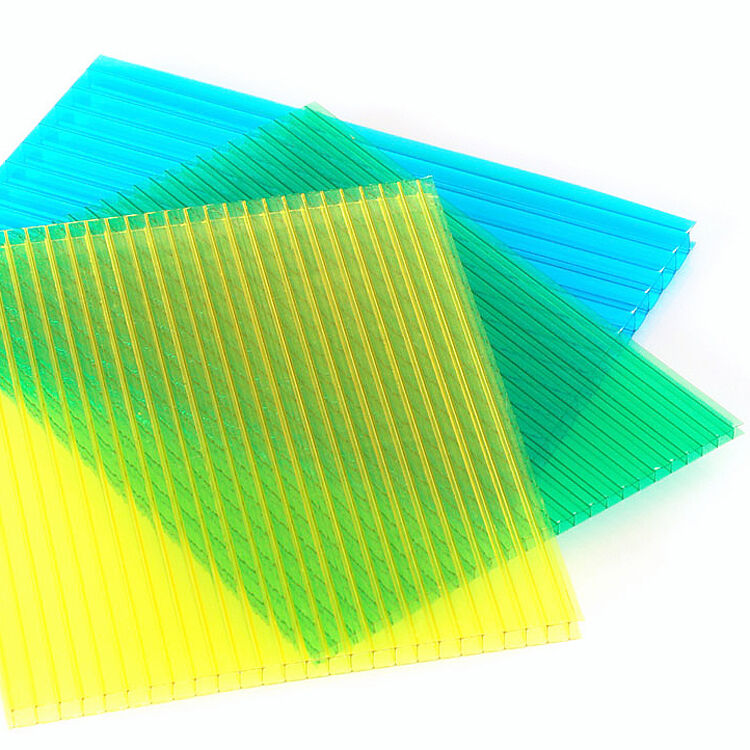
Selecting the Right Cutting Tool for Polycarbonate Sheets
Table Saws vs. Circular Saws vs. Band Saws: Precision, Heat Control, and Edge Quality
When making straight cuts on polycarbonate sheets, table saws are really hard to beat when it comes to precision and getting those nice smooth edges. But they do need good support for the material to keep it from moving around during cutting. Circular saws work great for bigger panels because they're portable, though there's something important to remember about blade speed. Most folks find that slowing down to around 3,000 to maybe 3,500 RPM helps prevent the plastic from melting due to all that friction heat. Band saws tend to perform better with thicker sheets measuring between 8 and 12 mm thick. The continuous movement of the blade combined with less heat concentrated in one spot means less chipping at the edges. For anyone serious about working with these materials, carbide tipped blades with about 80 to 100 teeth and that triple chip design make a big difference in reducing heat stress. And don't forget about kerf width either. Keeping it below 2 mm makes all the difference when cutting curves or doing tight straight lines without the blade getting stuck.
| Tool | Precision | Heat Control | Edge Quality | Best For |
|---|---|---|---|---|
| Table Saw | High | Moderate | Smooth | Long straight cuts |
| Circular Saw | Medium | Critical* | Variable | Portable large cuts |
| Band Saw | Medium | High | Low-chip | Thick/complex shapes |
| *Requires RPM control |
Jigsaws and CNC Routers for Curved or Complex Cuts—When Flexibility Justifies Setup Time
Fine tooth jigsaw blades between 10 and 14 teeth per inch work great for making tight radius curves, although they need pretty solid clamping to stop those annoying micro cracks from forming due to vibrations. CNC routers can get down to sub millimeter precision on complex shapes, but let's be honest, programming takes extra time around 15 to maybe 30 minutes before cutting even starts. When working on something that needs less than about five different cuts, stick with hand tools since they're actually faster. Once past that point though, going automated makes sense because CNC machines cut down dimensional errors by roughly two thirds compared to doing it all by hand according to recent studies in Plastics Fabrication Journal. And remember to grab downward cutting blades whenever possible these help keep sheets from lifting up and edges from peeling apart when starting a cut.
Optimizing Blade and Machine Settings for Clean Polycarbonate Cuts
Tooth Geometry, Kerf Width, and Feed Rate: Preventing Melting, Chipping, and Stress Cracking
When working with polycarbonate, carbide tipped blades featuring triple chip grind geometry aren't just nice to have they're absolutely necessary. The special design helps push out chips better while spreading the cutting force between different tooth angles, which keeps things cooler during operation. For those half inch thick sheets (about 12.7 mm), aim for a kerf around 2.5 to 3 mm wide. Going too narrow creates problems with binding unless the feed speed is spot on. Most folks find success keeping feed rates between 10 and 15 feet per minute when dealing with 3 mm material. Apply steady pressure throughout the cut to avoid issues like melting from going too slow or chipping when speeding up suddenly. As materials get thicker, remember to drop the feed rate by about 20% for every extra 3 mm added. Getting the tool setup right makes a big difference too properly configured tools can reduce stress cracks by as much as 40% compared to regular high speed steel blades.
RPM and Speed Guidelines by Thickness (3—12 mm) to Minimize Thermal Buildup
Rotational speed must be calibrated to sheet thickness—not machine capability alone—to manage thermal input. Thinner sections dissipate heat rapidly, allowing higher speeds; thicker material requires slower RPM to avoid irreversible softening or surface scorching:
- 3—6 mm sheets: 8,000—10,000 RPM with faster, steady feeds
- 8—10 mm sheets: 5,000—7,000 RPM with controlled, deliberate feeds
- 12 mm sheets: 3,000—4,500 RPM with slower, uninterrupted motion
When working with polycarbonate sheets, we see RPM drops around 55% when going from 3 mm to 12 mm thickness because this material just doesn't conduct heat very well. Keep an eye on those chips forming during cutting operations. Clean, well-defined chips mean everything is running right. But if we start seeing fused together or stringy material coming off, that's a red flag for overheating problems. Make sure to blast away any dust buildup with compressed air whenever there's a break in work. Leftover debris sticks around like an unwanted guest, acting as both abrasive and insulation which makes spots get hotter faster than expected. Field technicians report that about four out of five thermal damage incidents come down to wrong speed and feed rates being used together.
Step-by-Step Cutting Process for Flawless Polycarbonate Sheets
Measuring, Marking, and Clamping Best Practices to Eliminate Warping and Misalignment
Getting accurate results starts way before the blade actually touches anything. First things first, grab a good quality tape measure that's been properly calibrated for the job. When marking where to cut, always work directly on the protective film covering the sheet material. Use a fine tip marker that won't leave permanent marks, definitely steer clear of regular pens or markers containing solvents since those can actually damage the surface. Take time to verify every measurement against the blueprints or specifications. Mistakes at this stage are basically impossible to fix once the cutting happens. Straight cuts require special attention too. Line up something solid like an aluminum level or heavy duty steel ruler right along those marked points, then secure it firmly in place. Don't bother with cheaper plastic guides they tend to bend when pressure is applied during cutting.
Clamping strategy is critical to edge integrity:
- Use wood blocks or soft-jaw clamps to distribute pressure evenly and prevent surface marring.
- Place clamps within 6 inches of the cut line—but fully outside the blade path—to dampen vibration without obstructing travel.
- Ensure full-sheet support on a flat, non-sagging surface; any overhang greater than 2 inches risks flexing, misalignment, and stress fractures during feed.
Inadequate immobilization leads to wandering cuts, edge chipping, and latent stress cracks that manifest hours after cutting. Proper clamping maintains dimensional stability and supports consistent heat dissipation—both foundational to clean, optically clear edges.
Essential Safety Measures When Cutting Polycarbonate Sheets
Eye, Skin, and Respiratory Protection: Addressing Fine Dust, VOCs, and Thermal Fumes
When cutting polycarbonate material, workers face serious health hazards from the tiny particles generated during the process. These particles are smaller than 3 microns and create thermal fumes that exceed 150 degrees Celsius, often containing harmful substances like styrene which can affect both short term and long term health. Safety equipment is absolutely essential here. Workers need to have those ANSI Z87.1 certified goggles with side shields on constantly while also wearing nitrile gloves to prevent any skin contact with leftover chemicals from the machining process. For breathing protection, standard N95 masks rated by NIOSH will catch around 95 percent of airborne particles, though they won't work unless they fit correctly and get changed out regularly according to schedule. Studies show that people working in environments where this kind of dust isn't filtered properly end up getting sick more often too. One report from Occupational Safety Journal back in 2022 found a worrying 34% increase in respiratory problems among these workers. When temperatures rise, additional protection becomes necessary as well. Organic vapor cartridges help tackle those dangerous VOCs floating around. Facilities that implement comprehensive safety measures covering eyes, skin, and lungs see dramatic results. According to Industrial Safety Council data from last year, such integrated protection cuts down on acute exposure cases by about 72%. This makes proper safety gear not just recommended but absolutely required for anyone dealing with polycarbonate materials professionally.
FAQ
What are the best tools for cutting polycarbonate sheets?
Table saws are ideal for precise, long straight cuts. Circular saws are better suited for portable, large cuts, while band saws are effective for thicker sheets and complex shapes.
Why is RPM control crucial when using circular saws on polycarbonate sheets?
Controlling RPM is vital to prevent the polycarbonate plastic from melting due to heat generated by friction during cutting.
How can I prevent chipping during polycarbonate cutting?
Using carbide tipped blades with triple chip grind geometry, along with proper kerf width and feed rates, can help in minimizing chipping.
What safety equipment is recommended when cutting polycarbonate sheets?
It is essential to use ANSI Z87.1 certified goggles, nitrile gloves, and N95 masks for safe cutting, along with organic vapor cartridges for additional protection against VOCs.